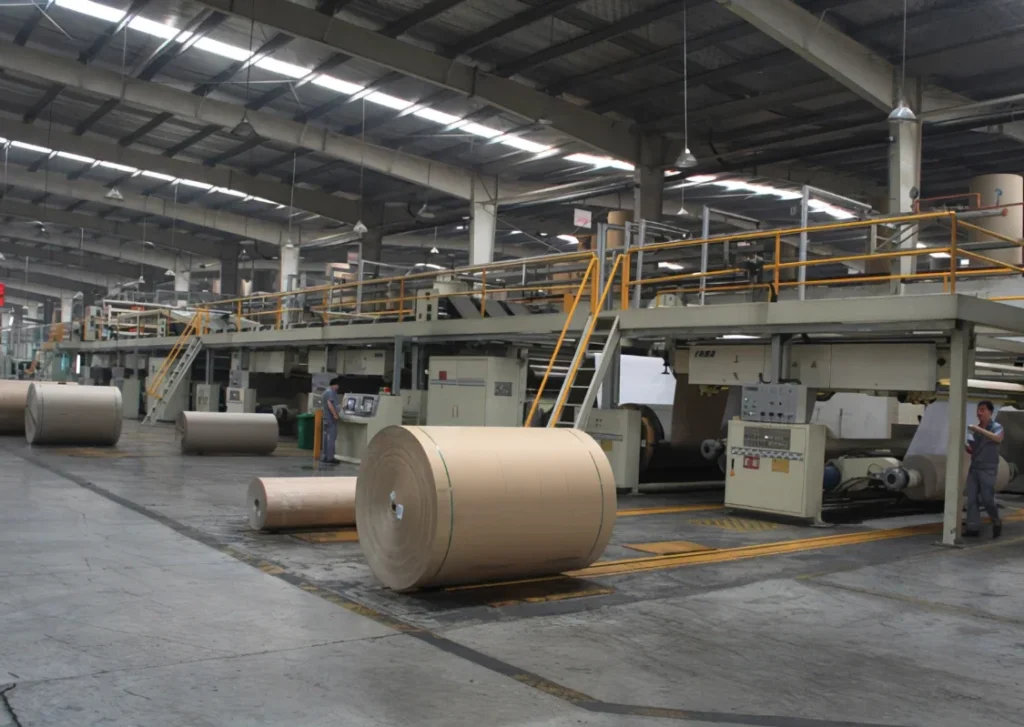
Choosing the right die cutter machine involves more than comparing machine prices or maximum operating speeds. Different die cutting structures are designed for different materials, carton designs, production volumes, and converting requirements.
For corrugated packaging manufacturers, a rotary die cutting machine is often suitable for high-volume corrugated box production, while a flatbed die cutting machine offers greater flexibility for different cutting layouts and carton designs. A platform die cutting machine uses a different rolling structure for flexible, small-batch production, and a manual platen die-cutting machine can be practical for low-volume work and special applications.
Understanding these differences helps you select equipment that meets your actual production requirements without paying for unnecessary automation or choosing a machine that cannot handle your materials.
This guide explains the main types of die cutter machines, how they work, their advantages and limitations, and the key factors to consider before purchasing.
1. What Is a Die Cutting Machine?
A die cutting machine is a converting machine that uses a specially manufactured cutting die to cut, crease, trim, slot, or perforate sheet materials into predetermined shapes.
In carton manufacturing, the cutting die typically contains cutting rules and creasing rules arranged according to the required carton design. When the die and material pass through the machine’s cutting mechanism, the cutting rules separate the material along specified lines, while the creasing rules form fold lines for subsequent carton folding.
Depending on the machine structure and tooling, die cutting can also be used for cutting corners, making holes, creating slots, and producing other features required by a packaging design.
What products can a die cutter machine produce?
Die cutting is widely used for:
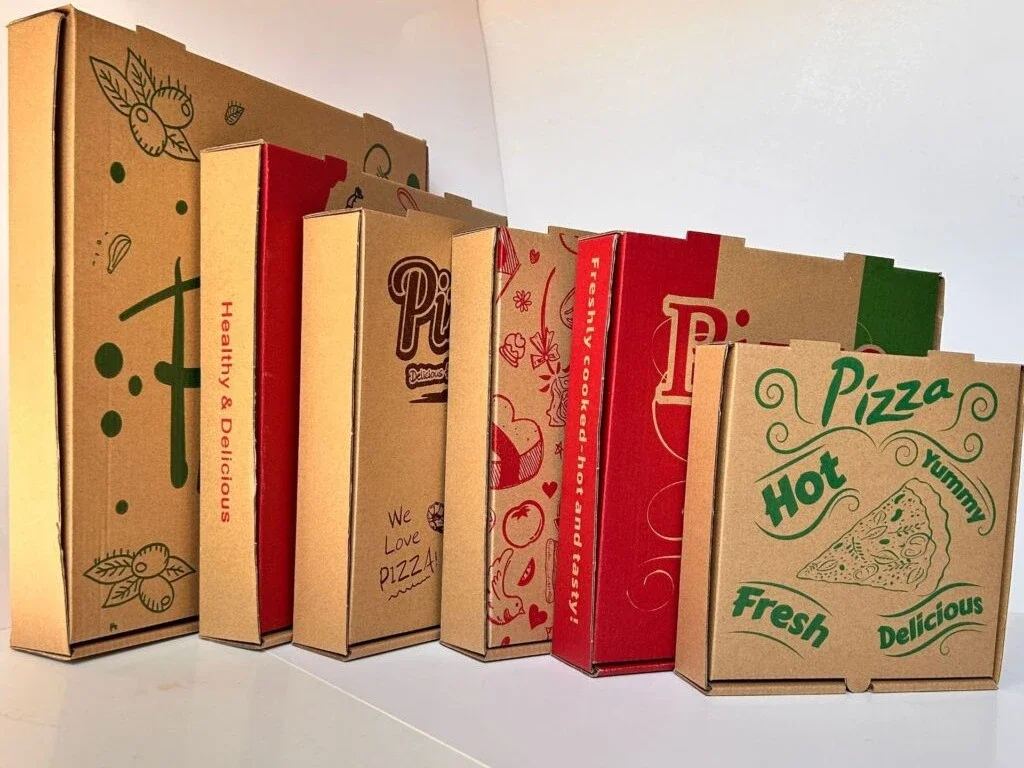
- Corrugated cartons: Die-cut shipping boxes, mailer boxes, display packaging, and irregularly shaped cartons.
- Paperboard packaging: Folding cartons, printed packaging, and other products made from paperboard or card stock.
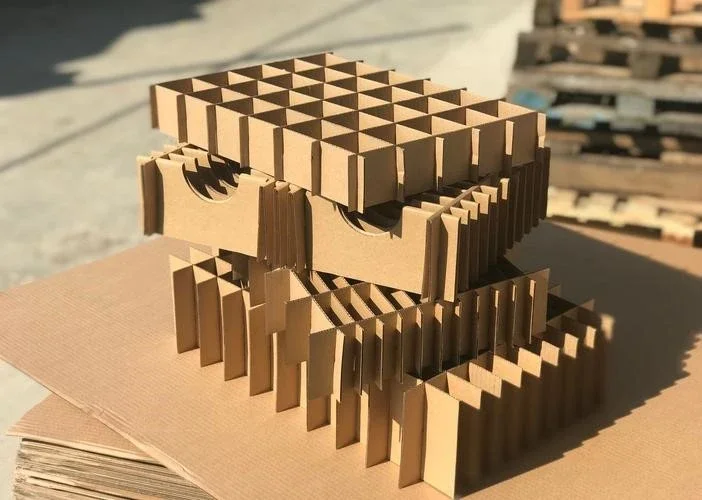
- Protective packaging: Cardboard inserts, dividers, protective pads, and custom-shaped packaging components.
- Other converted materials: Certain machines can process EVA foam, rubber, plastic sheets, and similar materials when the machine, cutting die, and cutting force are suitable.
Not every die cutter can process all these materials. A machine designed for corrugated board may not be suitable for coated paperboard, while equipment intended for thin paperboard may lack the capacity or feeding system required for thick corrugated sheets.
What is the difference between die cutting and ordinary cutting?
Ordinary slitting or trimming equipment generally makes straight cuts. Die cutting uses a shaped cutting die to produce a specific outline, together with creasing or other features where required.
This makes die cutting particularly useful for cartons with irregular outlines, hand holes, slots, corner cuts, and folding structures that cannot be completed efficiently by straight-line cutting alone.
The machine’s cutting structure determines how the die applies pressure, how the material is fed, and how quickly the finished sheets can be processed.
2. What Are the Main Types of Die Cutting Machines?
Die cutter machines can be classified according to their cutting structure, material-handling method, and degree of automation.
For carton and packaging production, four useful categories are rotary die cutting machines, flatbed die cutting machines, platform die cutting machines, and manual platen die-cutting machines.
2.1 Rotary Die Cutting Machine
A rotary die cutting machine uses a cylindrical cutting die or die cylinder that rotates against a cooperating anvil or rubber cushion roller. The sheet passes through the rotating cutting section, where the cutting rules perform the required cutting and creasing operations.
In corrugated carton production, rotary die cutters are used to manufacture die-cut corrugated boxes. They may operate as standalone machines or be integrated with printing and slotting units in a combined production line.
2.2 Flatbed Die Cutting Machine
A flatbed die cutting machine uses a flat cutting die and a flat or platen-type pressure system. Pressure is applied across the die and sheet to form the required cut and crease lines.
Industrial flatbed die cutters are available in different configurations, including semi-automatic and fully automatic models. Depending on the machine design, they can process corrugated board or paperboard, with feeding systems selected for the material and production requirements.
2.3 Platform Die Cutting Machine
The platform die cutting machine discussed in this guide uses a round-pressure-flat structure, also called a rotary-to-flat or cylindrical-to-flat cutting arrangement.
A flat wooden cutting die is supported and conveyed by belts through the gap between an upper cutting roller and a lower steel roller. As the die passes through the rollers, the cutting rules apply pressure to the sheet material.
Although the die is flat, the cutting action is produced by rolling pressure rather than by a conventional flatbed press. This distinction is important when comparing its operation, output, and applications with those of flatbed die cutters.
2.4 Manual Platen Die-Cutting Machine
A manual platen die-cutting machine, also known as a platen punching and creasing press or a tiger-mouth die-cutting machine, uses a flat cutting die and a reciprocating platen to apply pressure to the sheet material. The operator positions the material and operates the machine to complete the cutting and creasing cycle.
This type of machine is commonly used for die-cutting paperboard, cardboard, and other suitable sheet materials in small batches. Typical applications include folding carton blanks, paperboard packaging, custom-shaped inserts, and sample production.
Its main advantages are relatively low initial investment, simple operation, and suitability for small production runs. However, manual feeding and unloading limits production capacity, making it less suitable for high-volume, continuous manufacturing.
The machine’s working area, cutting force, and compatible materials should be checked against the actual product requirements before purchase.
Important: Semi-automatic and fully automatic are automation classifications, not separate cutting principles. Rotary and flatbed machines can both be supplied with different feeding and handling arrangements. The platform and manual platen machines described here serve different production needs and should not be compared solely by automation level.
3. Detailed Introduction to Each Type
3.1 Rotary Die Cutting Machine
Working principle
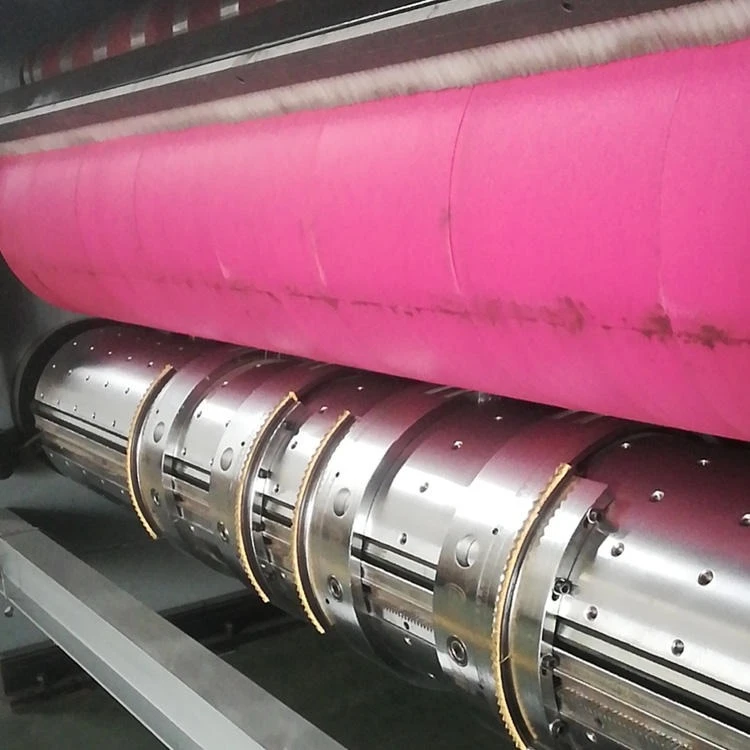
A rotary die cutter uses a cylindrical cutting die mounted on a rotating die cylinder. The die cylinder works against an anvil or rubber cushion roller, and the sheet passes continuously or sequentially through the cutting section, depending on the machine configuration.
The cutting rules on the die cylinder cut the required carton outline and form creasing lines. In corrugated carton production, the machine is designed to accommodate the structure and compressibility of corrugated board.
Unlike a flatbed machine, which applies pressure through a flat die and platen, a rotary die cutter develops cutting pressure through the rotating cylinders.
Suitable materials and thickness
The rotary die cutter discussed here is designed for corrugated cardboard only. It is not suitable for ordinary paperboard, coated folding-carton stock, or other materials simply because they can be cut with a die. Those materials require a machine specifically designed for their thickness, surface characteristics, and cutting requirements.
Typical corrugated board thickness is approximately 2–11 mm. Some machine models can handle board up to approximately 13 mm. The maximum and minimum permitted thickness must be confirmed for the specific machine with the suppliers.
Speed and production capacity
Rotary die cutting is particularly suitable for medium- to high-volume corrugated packaging production.
- Semi-automatic models: Sheets are manually fed, commonly using a chain-feed arrangement. Actual output depends heavily on the operator’s feeding speed, sheet handling, and the stability of the production process.
- Fully automatic models: Automatic leading-edge feeding can improve feeding consistency and production efficiency. The actual output depends on the rated machine speed, sheet dimensions, die layout, carton design, and operating conditions.
A machine’s maximum rated speed is not the same as its actual hourly output of acceptable cartons. Setup, feeding, unloading, order changes, and quality requirements must all be considered.
Advantages
- Suitable for high-volume corrugated carton production.
- Can handle corrugated board within the machine’s specified thickness range.
- Can produce irregular carton outlines, cut-outs, and creasing features using an appropriate rotary die.
- Can be used as a standalone die cutter or combined with printing and slotting units.
- Automatic feeding configurations can improve production continuity and reduce manual sheet handling.
Limitations
- Designed for corrugated board rather than a broad range of packaging materials.
- Rotary tooling must match the machine’s die cutting cylinder and die specifications.
- Tooling changes and setup are required when carton designs change.
- Semi-automatic output is affected by manual feeding efficiency.
- The machine’s footprint, configuration, and investment must be considered when integrating it into an existing production line.
Typical applications
Rotary die cutters are commonly used for corrugated mailer boxes, irregular shipping cartons, die-cut packaging, display boxes, and other corrugated products that require cutting and creasing beyond what a standard slotting process can provide.
They are particularly relevant to manufacturers that need to produce substantial quantities of corrugated die-cut cartons.
3.2 Flatbed Die Cutting Machine
Working principle
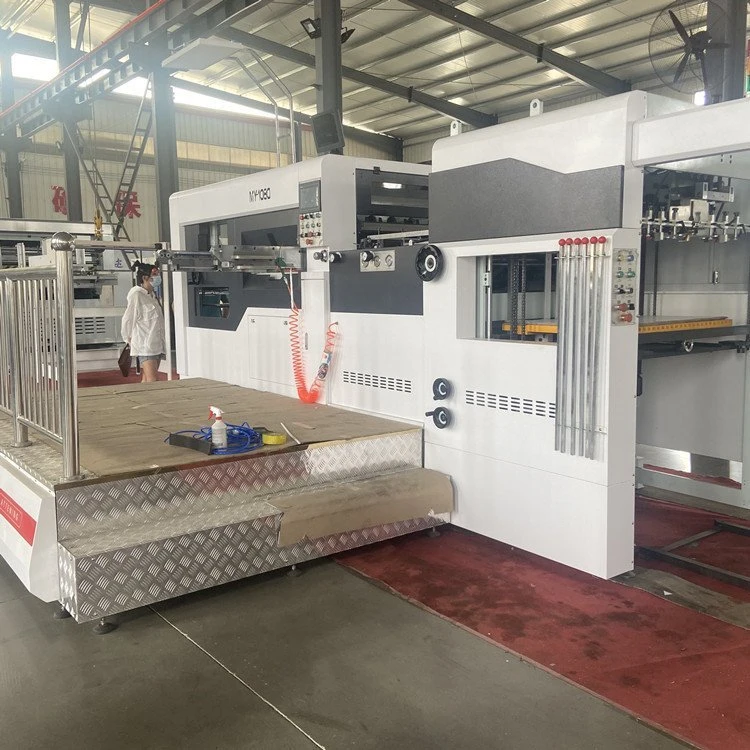
A flatbed die cutter uses a flat cutting die mounted in a chase or die frame. The sheet is positioned between the die and the opposing pressure surface. During the cutting cycle, the machine applies pressure to the die, allowing its cutting rules to cut the material and its creasing rules to form fold lines.
The exact pressing mechanism differs between machine designs, but the defining feature is that the cutting die and pressure surface operate as a flatbed system rather than as two cooperating cutting rollers.
Flatbed die cutters are available in semi-automatic and fully automatic configurations, with different feeding, registration, stripping, and delivery systems.
Suitable materials and thickness
The flatbed die-cutting machines are available in two main types: paperboard models for folding cartons and corrugated-board models for corrugated carton production.
1. Paperboard Models
These machines use a gripper feeding system and are mainly used for folding carton production.
- Paperboard and greyboard: 0.1–2 mm, covering approximately 200–2000 g/m² paperboard.
- Corrugated board: Up to 4 mm, mainly suitable for E-flute and thin B-flute board. Not suitable for A-flute or AB-flute board.
2. Corrugated-Board Models
These machines use a leading-edge feeding system and are designed primarily for corrugated carton production.
- Paperboard and greyboard: Approximately 0.2–2 mm.
- Corrugated board: 1.0–8 mm, suitable for E-, B-, C-, A- and AB-flute board. Some heavy-duty models can process board up to 10 mm thick.
Feeding systems for automatic flatbed die cutters
The feeding system is a major factor in selecting an automatic flatbed die cutter. Three common configurations have different strengths.
1. Top-feeder (top-suction feeder)
A top-feeder separates sheets from the top of the pile and transfers them into the machine. It is particularly suitable for printed paperboard and premium folding-carton stock.
Advantages:
- Good sheet separation for suitable paperboard.
- Gripper-based transport can reduce rubbing against the printed face.
- Suitable for small-format and irregularly shaped paperboard sheets when the machine is correctly configured.
- Can handle certain slightly warped sheets within the feeder’s operating limits.
Limitations:
- Typically requires more frequent pile replenishment than systems designed for continuous pile feeding.
- Maximum output depends on the feeder design and sheet characteristics.
- Not the preferred configuration for thick corrugated board unless the manufacturer specifically rates it for that application.
Best suited to: Premium paperboard cartons, including suitable laminated, foil-stamped, and UV-printed stock, as well as jobs requiring careful handling of the printed surface.
2. Rear lower-suction feeder (bottom-suction feeder)
This system uses suction from below to separate and feed sheets, with the feeding arrangement designed for corrugated board applications.
Advantages:
- Can be configured for non-stop pile replenishment.
- Avoids rubbing the printed face in the same way as a friction-wheel feeding system.
- Suitable for corrugated board when matched to the board size and construction.
Limitations:
- Not generally the preferred choice for premium paperboard that is prone to static-related double feeding or poor sheet separation.
- Small paperboard sheets can be difficult to position consistently.
- Warping and sheet stiffness can affect feeding stability.
- Suction components are subject to wear and require maintenance.
Best suited to: Corrugated board production where the machine’s feeding system is designed for the required board dimensions and flute construction.
3. Leading-edge feeder
Leading-edge feeding advances corrugated sheets from the front edge into the machine. Two configurations are worth distinguishing.
Conventional rubber-wheel leading-edge feeder
Advantages:
- Suitable for high-volume corrugated carton production.
- Can support non-stop feeding and relatively large pile capacity, depending on the machine design.
- Handles normal variations in corrugated board flatness well within its specified operating range.
- Generally offers a practical balance of output and equipment cost.
Limitations:
- Rubber wheels contact the sheet surface and can leave marks or scratches on sensitive finishes.
- Premium laminated, matte-film, or UV-printed paperboard may be damaged by friction.
- Small paperboard sheets and sheets prone to static-related double feeding may not feed reliably.
- Rubber wheels are wear components and require periodic replacement.
Best suited to: Manufacturers primarily producing corrugated shipping cartons, especially when output and cost efficiency are priorities.
Vacuum transfer servo leading-edge feeder
A vacuum-table configuration uses vacuum transfer to assist sheet transport and reduce dependence on conventional friction-wheel contact.
Advantages:
- Retains the high-output and continuous-feeding advantages of a suitable leading-edge system.
- Reduces surface marking associated with conventional rubber-wheel contact.
- Can accommodate some paperboard applications in addition to corrugated board, provided the machine is configured and tested for them.
Limitations:
- Higher equipment cost.
- Does not automatically solve static-related sheet separation problems.
- Small paperboard sheets may still require a different feeder design for stable registration.
Best suited to: Corrugated board manufacturers that also process selected higher-grade paperboard jobs and have a budget for a more advanced feeding system.
The right feeder depends on the material mix, not simply the maximum rated speed. If a factory mainly produces corrugated shipping cartons, a conventional leading-edge feeder is often a practical choice. If premium folding cartons account for a large proportion of orders, a top-feeder may be more appropriate.
Speed and production capacity
Flatbed die cutters are available in a wide range of sizes and automation levels. Their output depends on the machine’s rated cycle speed, sheet size, cutting layout, material, feeding stability, stripping and delivery arrangements, and the time required for job changes.
For corrugated board, automatic feeding and delivery can reduce manual handling. For paperboard packaging, registration accuracy and careful surface handling may be more important than maximum cycle speed.
Advantages
- Suitable for a range of carton designs and cutting layouts.
- Can be configured for paperboard or corrugated board according to the machine specification.
- Automatic feeding and delivery options can reduce manual handling.
- Can support more complex converting requirements when equipped with appropriate tooling and auxiliary systems.
Limitations
- Investment and tooling costs can be higher than those of simpler manual or platform machines.
- Die preparation, makeready, and job changes take time.
- Feeding systems must match the material and sheet dimensions.
- A machine suitable for thin paperboard may not provide the cutting force or feeding capacity needed for thick corrugated board.
Typical applications
Flatbed die cutters are widely used for folding cartons, printed paperboard packaging, corrugated die-cut boxes, product inserts, display packaging, and other products requiring a flat cutting die.
The appropriate configuration depends on whether the factory prioritizes premium surface quality, corrugated-board throughput, complex cutting layouts, or frequent changes between jobs.
3.3 Platform Die Cutting Machine
Working principle: A rolling-pressure structure, not a conventional flatbed press
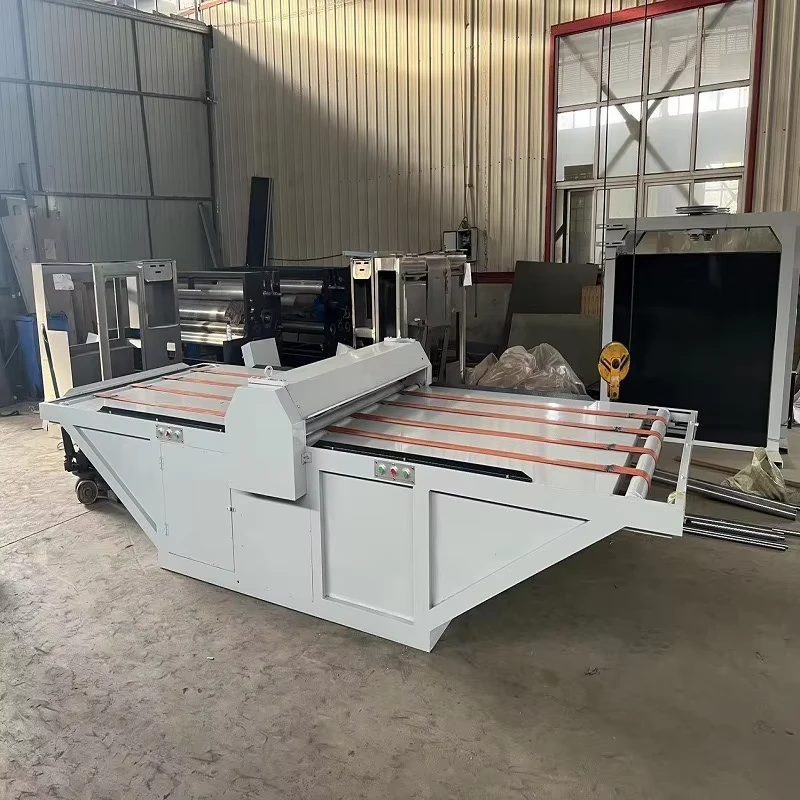
The platform die cutting machine covered here is a round-pressure-flat machine. It uses a flat wooden cutting die, a belt-conveying mechanism, and two cutting rollers to complete the cutting process.
The main cutting assembly consists of:
- Upper cutting roller: Its surface is made of nylon. The nylon layer can be replaced separately when worn.
- Lower cutting roller: Made of steel and installed in a fixed position.
- Pressure adjustment mechanism: A handwheel drives a bevel-gear and screw mechanism, moving the upper roller vertically through a sliding sleeve. This changes the distance between the two roller centers and adjusts the cutting pressure.
- Belt-conveying mechanism: Independent belt assemblies on both sides of the lower roller support and convey the cutting die through the machine. Each assembly uses drive and idler shafts, with a separate belt-tensioning arrangement.
- Operating controls and safety interlock: Controls are provided at both ends of the machine.
The wooden die and sheet material pass through the roller gap. The rolling pressure of the upper roller against the die produces the required cutting and creasing action.
This is fundamentally different from a traditional flatbed die cutter, which applies pressure between a flat die and a flat opposing surface. It is also different from a rotary die cutter, which uses a cylindrical cutting die.
Feeding, operation, and safety
The operator places the wooden cutting die and material onto the conveying platform and starts the belt using the green control button at one end. The belt moves the die through the cutting rollers toward the opposite platform.
When the die reaches the other end and activates the travel limit switch, the machine stops. The two ends are interlocked so that after the die reaches one end, the control at that end cannot simply restart the same movement. The opposite-end control must be used to resume operation.
A selector switch provides manual and automatic-cycle modes. In automatic mode, the belt can move the die back and forth. The dwell time at the upper platform can be adjusted from 0 to 10 seconds using the delay relay inside the electrical cabinet.
These controls support the machine’s operating cycle, but operators must still follow the manufacturer’s guarding, setup, and safety procedures. The presence of an interlock does not eliminate the need for proper machine safeguards.
Suitable materials and thickness
This machine can be used for:
- 3-ply, 5-ply, and some 7-ply corrugated board, provided the board construction is within the machine’s capacity.
- Paperboard and card stock.
- EVA foam sheets.
- Rubber and belt materials.
- Hollow plastic board and similar sheet materials.
The machine is used for die cutting, creasing, trimming, corner cutting, slotting, and hole punching, depending on the cutting die and the material.
There is no single universal thickness range that applies to every material. The maximum thickness and required cutting pressure depend on the material’s compressibility, hardness, cutting geometry, and the machine’s roller gap and pressure capacity.
Speed and production capacity
A platform die cutter is generally selected for flexible production rather than maximum throughput.
The operator must position and handle the die and material, and the cutting action takes place as the die travels through the rollers. Actual output depends on sheet dimensions, die layout, material, handling time, and the number of passes required.
It is not a substitute for a high-speed automatic rotary die cutter when the factory needs to produce large quantities of corrugated cartons continuously.
Advantages
- Uses a relatively low-cost wooden cutting die.
- Cutting dimensions can be customized to the product.
- Can combine several operations, such as trimming, corner cutting, hole punching, slotting, and creasing, in one die layout.
- Can process different sheet materials when the die and machine settings are appropriate.
- Offers a flexible option for special-shaped cartons, mailer boxes, cardboard pads, and selected non-paper sheet materials.
- May replace the need for separate cutting equipment for certain products, depending on the required process and production volume.
Limitations
- Output is relatively low compared with industrial automatic die cutting systems.
- Manual handling limits production efficiency.
- The roller pressure, cutting die, and material must be matched carefully to obtain clean cuts.
- It is not the best choice for high-volume, continuous production.
- A single machine should not be assumed to replace every rotary die cutter, flatbed press, or punch press; this depends on the product geometry and required quality.
Typical applications
Typical products include irregular corrugated cartons, mailer boxes, cardboard pads, custom inserts, EVA protective pads, rubber or belt components, and selected hollow-board products.
A platform die cutter is particularly useful when a factory needs a flexible and relatively economical way to produce custom shapes, short runs, or products made from different sheet materials.
3.4 Manual Die-Cutting and Creasing Machine
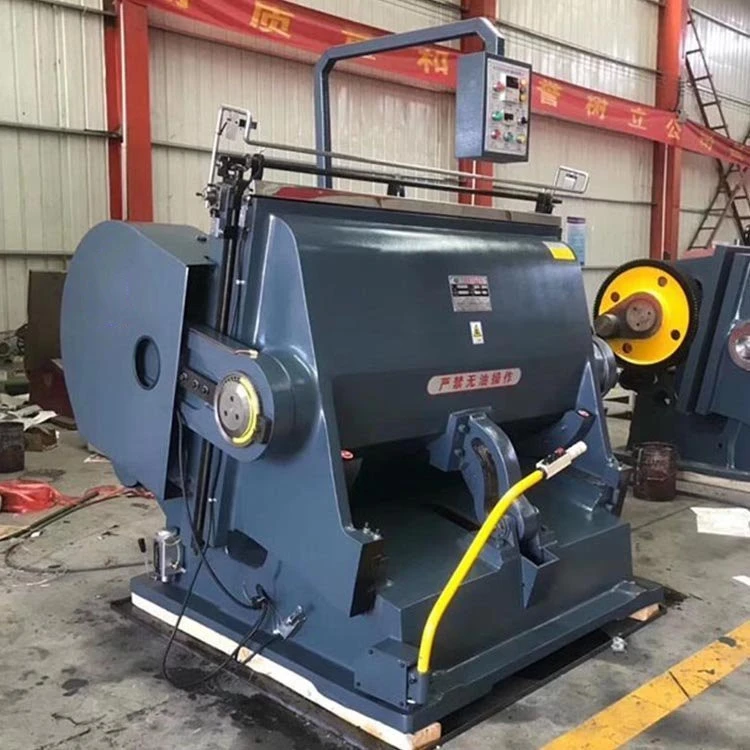
A manual die-cutting and creasing machine, commonly known in the Chinese packaging industry as a platen die-cutting press or “tiger-mouth” die-cutting machine, is a flatbed die-cutting machine that uses a reciprocating platen to cut and crease sheet materials.
Despite the term manual, the pressing action is generally powered by an electric motor and mechanical transmission system. The operator feeds and positions each sheet manually, activates the machine, and removes the finished piece after the cutting cycle.
This machine is widely used in carton and printing factories for small-batch production, sample making, and jobs requiring frequent changes of cutting dies. Models equipped with a robotic arm for automatic sheet feeding and finished-sheet removal are also available, offering a more automated option for factories seeking to reduce manual handling without the investment required for a fully automatic flatbed die-cutting machine.
Working Principle and Main Components
The machine uses a flat cutting die mounted on the lower working platform. The die consists of a wooden base fitted with steel cutting rules and creasing rules.
During operation, the operator places and aligns a sheet on the working platform, then activates the machine using the operating handle. The motor-driven flywheel and transmission mechanism move the upper platen downward, applying pressure to the sheet against the cutting die.
The steel cutting rules cut the required outline, slots, and openings, while the creasing rules form fold lines for subsequent carton folding. After the pressing cycle, the upper platen returns to its raised position, allowing the operator to remove the finished sheet and load the next one.
The main components typically include the machine frame, upper moving platen, fixed lower bed, motor and transmission system, flywheel, pressure-adjustment mechanism, operating controls, and safety devices. The exact configuration varies by model.
Suitable Materials and Applications
Manual die-cutting and creasing machines can process a variety of sheet materials, provided the material thickness, hardness, and cutting requirements are within the machine’s capacity.
Suitable materials include:
- Paper and paperboard: White card, greyboard, kraft paper, art paper, coated paperboard, hang tag card, laminated paper, and greyboard used in rigid gift boxes.
- Labels and stickers: Self-adhesive labels and stickers, subject to the material construction and cutting requirements.
- Corrugated board: E-flute, B-flute, A-flute, and other suitable corrugated board grades, depending on machine specifications.
- Plastic sheets: PVC and PP sheets within the machine’s cutting capacity.
- Leather-like materials: Artificial leather and PU leather.
- Foam materials: Thin EVA foam and other suitable low-density foam sheets.
- Textile materials: Nonwoven fabric and other suitable sheet materials.
Materials generally unsuitable for the machines include hard wooden boards, thick acrylic sheets, metal plates, and very hard or thick high-density foam. These materials may require excessive cutting force, causing incomplete cuts, damaged cutting rules, or excessive stress on the machine.
Always confirm material thickness, hardness, and cutting requirements with the machine supplier before purchase.
Advantages
- Lower initial investment: A practical option for small and medium-sized factories that do not require high-speed automatic production.
- Flexible job changes: Cutting dies can be changed to accommodate different carton designs and dimensions.
- Combined cutting and creasing: One die can perform multiple operations in a single pressing cycle.
- Compact and relatively straightforward construction: Maintenance and routine servicing are generally manageable.
- Suitable for short runs and sampling: Useful for customized packaging, trial production, and orders with frequent design changes.
- Optional robotic-arm automation: Equipped with a robotic arm for automatic sheet feeding and finished-sheet delivery, this machine eliminates the need for manual loading and unloading. It offers a cost-effective way to achieve the key operational benefits of a fully automatic flatbed die-cutting machine at a much lower investment. Its compact footprint saves valuable factory space, while quick job changeovers make it suitable for manufacturers handling different carton designs and short production runs. Automated feeding and delivery also provide more consistent operation and improve operator safety by reducing direct manual handling.
Limitations
- Lower output: Each sheet must be manually positioned and removed, limiting production capacity.
- Labor requirements: Continuous operation requires operator attention and repeated manual handling.
- Safety considerations: The pressing mechanism creates substantial force. Operators must follow the manufacturer’s operating procedures and use the specified safety devices and guarding.
- Fixed working area: The maximum sheet size is limited by the machine’s working area. Common model designations include ML750, ML930, and ML1100, although the actual maximum processing dimensions must be verified for each model.
- Automation upgrade cost: For start-ups and small businesses seeking to reduce manual handling, adding a robotic arm requires additional investment.
Typical Applications
A manual die-cutting and creasing machine is a practical choice for printing and carton factories producing small batches of folding cartons, gift boxes, pharmaceutical packaging, shopping bags, and selected corrugated carton products.
For factories handling frequent job changes and relatively low order volumes, it offers a flexible way to perform die cutting and creasing without investing in a fully automatic production system. For large, repetitive orders, a higher-output automatic die cutter may be more suitable.
4. Die Cutting Machine Comparison Table
The following table summarizes the four machine types. The thickness and output figures are application-dependent; the table should be used for preliminary selection, not as a substitute for a machine specification.
| Comparison factor | Rotary die cutting machine | Flatbed die cutting machine | Platform die cutting machine | Manual platen die cutter |
|---|---|---|---|---|
| Cutting structure | Cylindrical die against an anvil or rubber cushion roller | Flat die and flat pressure system | Flat wooden die passing between cutting rollers | Flat die and platen-type pressing mechanism |
| Main materials | Corrugated board | Paperboard or corrugated board, according to model | Corrugated board, card, EVA, rubber, hollow board and other suitable sheets | Paperboard, cardboard, foam, rubber and other suitable sheets |
| Typical thickness | Approx. 2–11 mm corrugated board; some models up to approx. 13 mm | Corrugated board: 1.0–8 mm; some heavy-duty models up to 10 mm. Paperboard and greyboard: approximately 0.1–2 mm according to models | Depends on material, roller gap, and pressure capacity | Greyboard: 1.4–4 mm; corrugated cardboard: 2–12 mm |
| Production capacity | Medium to high; automatic models suit higher output | Varies widely; automatic models can support higher-volume production | Low to moderate; manual handling is a limiting factor | Generally low |
| Automation | Semi-automatic or fully automatic | Semi-automatic or fully automatic | Commonly operator-handled, with manual or automatic-cycle belt movement | Mainly operator-dependent;optional robotic-arm feeding and delivery |
| Feeding options | Manual chain feeding or automatic leading-edge feeding, depending on model | Top-feeder, bottom-suction feeder, leading-edge feeder for automatic type, or Manual feeding for semi-automatic type | Operator positions the die and material on the conveying platform | Operator positions and removes material |
| Die/tooling | Rotary die matched to the cylinder and machine | Flat wooden or other compatible cutting die, depending on machine design | Wooden flat cutting die | Compatible flat cutting die |
| Tooling cost | Depends on rotary die construction and specifications | Depends on die size, material, and complexity | Generally low-cost wooden die; quick changes for suitable jobs | Depends on die size and complexity |
| Typical order type | Medium- to high-volume corrugated die-cut cartons | Paperboard or corrugated jobs requiring suitable cutting quality and flexibility | Custom shapes, short runs, and mixed-material applications | Samples, small orders, and occasional special jobs |
| Main advantage | Efficient corrugated carton die cutting at production scale | Versatile configurations and feeding options | Flexible cutting with relatively economical tooling | Low initial investment and simple short-run production |
| Main limitation | Primarily for corrugated board; tooling and setup are required | Higher investment on many automatic models; feeder must match the material | Lower output than industrial automatic systems | Labor-intensive and low output |
Which Die Cutting Machine Is Right for Your Production?
The right die cutting machine depends on your material, carton design, and production volume.
- High-volume corrugated die-cut cartons: Compare rotary die cutting machines with flatbed die cutters specifically designed for corrugated board. Consider the required output, board thickness, and carton layout.
- Folding cartons and printed paperboard packaging: Consider a paperboard flatbed die cutter with a feeding system suited to the sheet size and printed surface. A top-feeder is often a suitable option for premium printed stock.
- Custom shapes, short runs, and mixed sheet materials: A platform die cutting machine may be suitable for flexible production with relatively economical tooling. A manual die-cutting and creasing machine is another option for samples and small batches when its working area and cutting capacity meet the requirements.
Once you have identified the suitable machine types, compare their processing range, feeding configuration, actual production capacity, tooling costs, and total investment before requesting a quotation.
5. How to Choose the Right Die Cutting Machine
The right die cutter is the machine that can process your materials, produce your carton designs reliably, and meet your production targets at an acceptable total cost.
A more automated machine is not necessarily the best choice for every factory. The following factors should be evaluated together.
5.1 Identify the material you process
Material is the first selection criterion because the cutting structure and feeding system must suit the material.
- Corrugated board: Consider a rotary die cutter for production-scale corrugated die cutting, or a flatbed die cutter specifically rated for corrugated board. A platform die cutter can suit custom shapes and lower-volume work.
- Premium paperboard and folding cartons: Consider a suitable flatbed die cutter with a feeder designed to handle the printed surface and sheet characteristics.
- Mixed materials or special sheet products: Consider a platform or platen machine if its cutting force, working area, and tooling are suitable for all the intended materials.
Do not select a machine solely because the supplier says it can cut a particular material. Confirm the thickness range, surface requirements, and actual cutting result using your material.
5.2 Confirm the maximum and minimum sheet sizes
The machine must accommodate both the largest and smallest sheets in your production range.
Ask the supplier to confirm:
- Maximum and minimum sheet dimensions.
- Maximum cutting area and die dimensions.
- Whether small sheets can be fed and registered reliably.
- Whether the required carton layout fits within the effective cutting area.
- Whether the material and die can be handled safely and consistently.
A machine’s maximum sheet size alone is not enough. If a large proportion of your orders are small sheets, feeding stability at the minimum size may be equally important.
5.3 Consider the carton design
The carton structure determines whether die cutting is necessary and which machine is appropriate.
Standard slotted cartons may be produced on a printer-slotter or other suitable carton line without a separate die cutting operation. Die cutting becomes important when the carton requires irregular outlines, special openings, hand holes, complex cut-outs, or customized folding structures.
For conventional corrugated die-cut boxes, rotary die cutting may be suitable for production-scale orders. For a broad range of paperboard designs or jobs requiring particular flatbed tooling and handling, a flatbed machine may be more appropriate. For custom products and small batches, platform or manual platen equipment may be sufficient.
5.4 Calculate the actual production target
Do not base your purchasing decision on maximum machine speed alone. Determine how many acceptable finished sheets or cartons you need per shift or per day.
Consider:
- Planned working hours and shifts.
- Setup and changeover time.
- Feeding and unloading time.
- Rejects and quality adjustments.
- The number of pieces produced from each sheet.
- Downstream processes that may limit the line.
For example, a machine that runs quickly but requires frequent manual feeding or lengthy setup may not meet the daily production target. A lower-speed machine with a suitable working area and simpler changeovers may be more economical for small batches.
5.5 Evaluate order size and changeover frequency
The most suitable machine depends on how often you change carton designs.
- Large, repeat orders: An automatic rotary or flatbed die cutter may justify its higher investment through better throughput and reduced manual handling.
- Frequent changes and mixed orders: Consider setup time, die replacement, feeder adjustment, and the time needed to restore production after each change.
- Small, irregular orders: A platform or manual platen machine may offer a more economical solution when output requirements are modest.
A factory producing several standard designs in large quantities has different needs from a factory producing many customized carton designs in short runs.
5.6 Select the appropriate feeding and automation level
Automation should solve a real production problem.
For corrugated board, automatic leading-edge feeding can improve throughput and reduce manual sheet handling. For premium paperboard, a top-feeder may be preferable because of its sheet-separation and surface-handling characteristics.
A bottom-suction feeder can be suitable for corrugated board when correctly configured, but it should not automatically be selected for premium coated or laminated card.
Also consider whether automatic stripping, waste removal, delivery, or stacking is required. These functions can affect labor requirements and actual production efficiency, but they also add equipment cost and complexity.
5.7 Compare total cost, not just the machine price
A lower-priced machine is not necessarily less expensive to operate, and a fully automatic machine is not always the most economical choice.
Your budget should account for:
- Machine purchase price and selected configuration.
- Cutting dies and replacement tooling.
- Installation, commissioning, and operator training.
- Labor and material handling.
- Maintenance and wear parts.
- Workshop space, power supply, and material flow.
- Expected production volume and product mix.
The best investment is the machine that meets the required production target without unnecessary capital expenditure or excessive operating costs.
6. How to Choose a Die Cutting Machine: 7 Questions to Ask Before Buying
Before requesting a quotation, prepare answers to these seven questions. They help a supplier recommend a suitable machine configuration rather than simply quote the largest or most automated model.
1. What materials do you process?
Do you mainly process corrugated board, paperboard, or other materials such as EVA foam, rubber, or hollow plastic board?
For corrugated board, specify the number of plies, flute construction where known, and thickness range. For paperboard, identify the stock type and any surface finishes, such as lamination, foil stamping, or UV coating, that could affect feeding.
2. What are the maximum and minimum sheet sizes?
Provide the largest and smallest sheet dimensions you need to process. If possible, also provide the dimensions of several typical orders.
The machine must accommodate your required cutting area and feed the smallest sheets reliably, not merely accept the largest sheet.
3. What carton designs do you produce?
Are your products standard slotted cartons, irregular die-cut boxes, mailer boxes, display packaging, folding cartons, or protective inserts?
Provide drawings, sample cartons, or a dieline if available. The design helps determine whether a rotary, flatbed, platform, or manual platen machine is appropriate.
4. What is your actual production target?
State how many acceptable sheets, cartons, or finished pieces you need per shift or per day.
Also explain how many pieces are produced from each sheet and how many shifts you operate. This allows the supplier to evaluate practical output rather than comparing rated machine speeds alone.
5. How often do you change jobs?
Do you produce a few standard carton designs in large batches, or do you change sizes and designs frequently?
Frequent changeovers make setup time, die replacement, adjustment procedures, and the flexibility of the machine more important.
6. What feeding and automation level do you need?
Do you require manual feeding, semi-automatic operation, or fully automatic production?
For automatic equipment, specify whether you need automatic feeding, stripping or waste removal, and automatic delivery or stacking. The feeding system should be selected according to the material and surface finish, not just the target speed.
7. What is your total budget and workshop capacity?
Consider not only the purchase price but also tooling, installation, labor, maintenance, power supply, and available floor space.
If the machine will be integrated into an existing production line, provide the workshop layout and the dimensions of the available installation area. The selected equipment must fit the actual material flow and downstream production process.
Next step: Send these details to your supplier and ask for a recommended model and configuration, a complete technical specification, and a trial-cutting or machine-test plan using representative samples of your material and carton designs. This provides a more reliable basis for comparing quotations.
Frequently Asked Questions
What is the difference between rotary and flatbed die cutting?
A rotary die cutter uses a cylindrical cutting die, while a flatbed die cutter uses a flat die and a flat pressure system. Rotary die cutting is widely used for production-scale corrugated carton manufacturing. Flatbed machines are available for both paperboard and corrugated board, depending on the model.
Can a flatbed die cutting machine process thick corrugated board?
Yes, if it is a corrugated-board model designed for that purpose. Paperboard models generally handle only thin corrugated board, while dedicated corrugated-board flatbed machines can process thicker board. Check the machine’s specified thickness range before purchasing.
Which feeding system is suitable for printed paperboard?
A top-feeder is often suitable for premium printed paperboard because its sheet-handling arrangement can reduce friction against the printed surface. For corrugated board, a leading-edge or bottom-suction feeder may be more appropriate, depending on the machine configuration and production requirements.
Is a manual die-cutting and creasing machine suitable for commercial production?
Yes. It can be used for samples, short runs, and small-batch packaging production. However, manual sheet handling limits output, so factories with large, repetitive orders should also evaluate automatic die-cutting equipment.
What information is needed to select a die cutting machine?
Prepare the material type and thickness, maximum and minimum sheet sizes, carton drawings or samples, required output, and order batch sizes. Also specify the feeding and automation requirements and your available budget. These details help the supplier recommend a suitable machine configuration.
Contact Jeytop for Die Cutting Machine Selection
Selecting a die cutter machine should start with your products and production requirements, not with a machine model or maximum speed.
Jeytop Carton Machinery Co., Ltd. supplies machinery for corrugated board and carton packaging production. We can evaluate your application and recommend a suitable machine series and configuration based on the material, carton structure, sheet dimensions, production target, and level of automation required.
To help us assess your requirements, please provide:
- Material: Corrugated board, paperboard, or other sheet materials, including thickness and board construction.
- Sheet dimensions: Maximum and minimum sheet sizes.
- Carton design: Standard slotted cartons, irregular die-cut boxes, mailer boxes, folding cartons, or other products.
- Production target: Required acceptable output per shift or per day.
- Order profile: Typical batch sizes and frequency of job changes.
- Feeding and automation: Manual, semi-automatic, or fully automatic feeding, plus any requirements for stripping, waste removal, and delivery or stacking.
- Installation conditions: Available workshop space and existing production-line configuration.
If available, send us a carton drawing, dieline, or sample photograph as well. We can then evaluate the application, recommend a suitable machine and configuration, and provide the corresponding technical specifications and a machine-testing plan.
Contact Jeytop to discuss your die cutting requirements and request a machine recommendation tailored to your production needs.