Product Overview
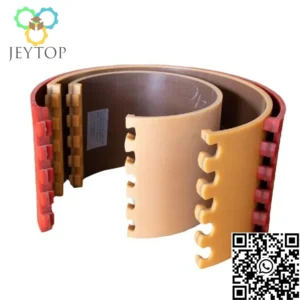
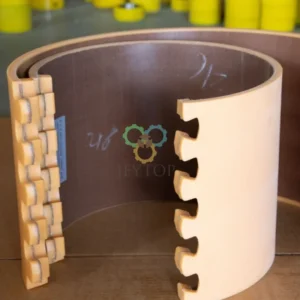
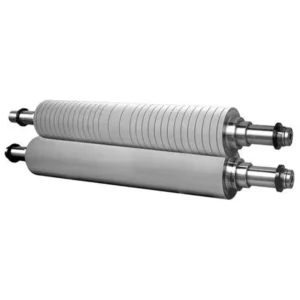
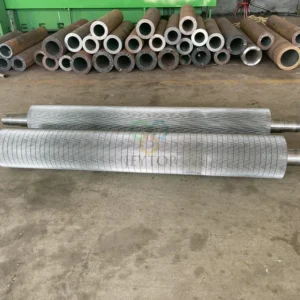
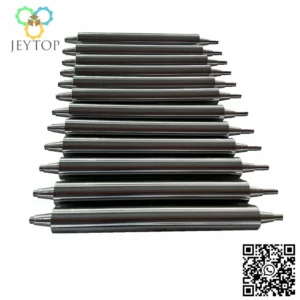
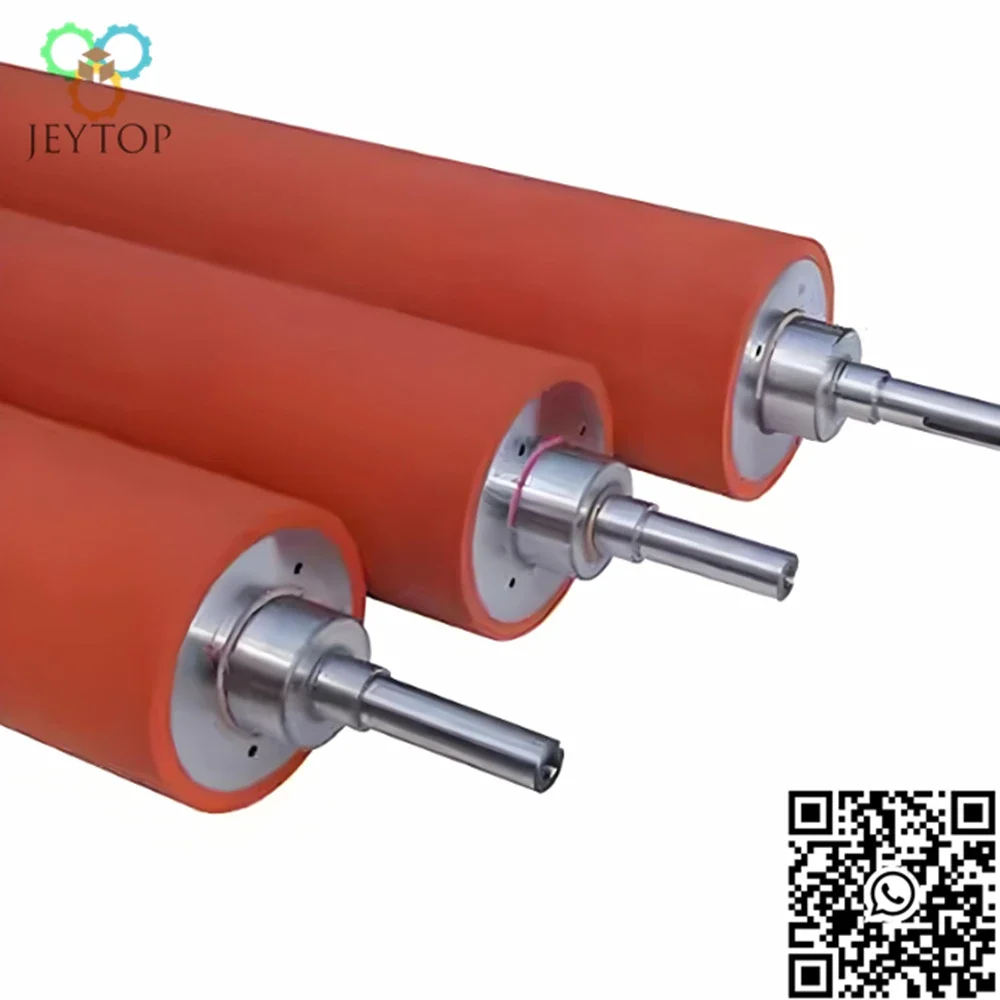
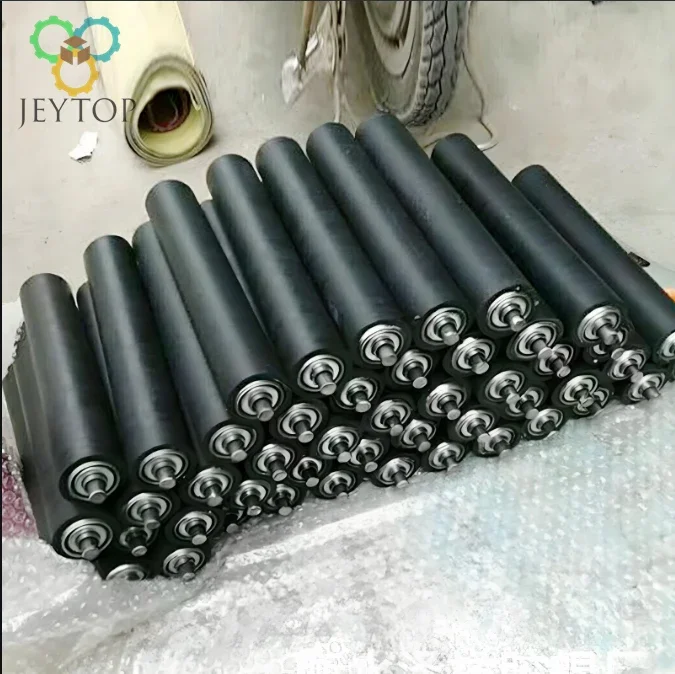
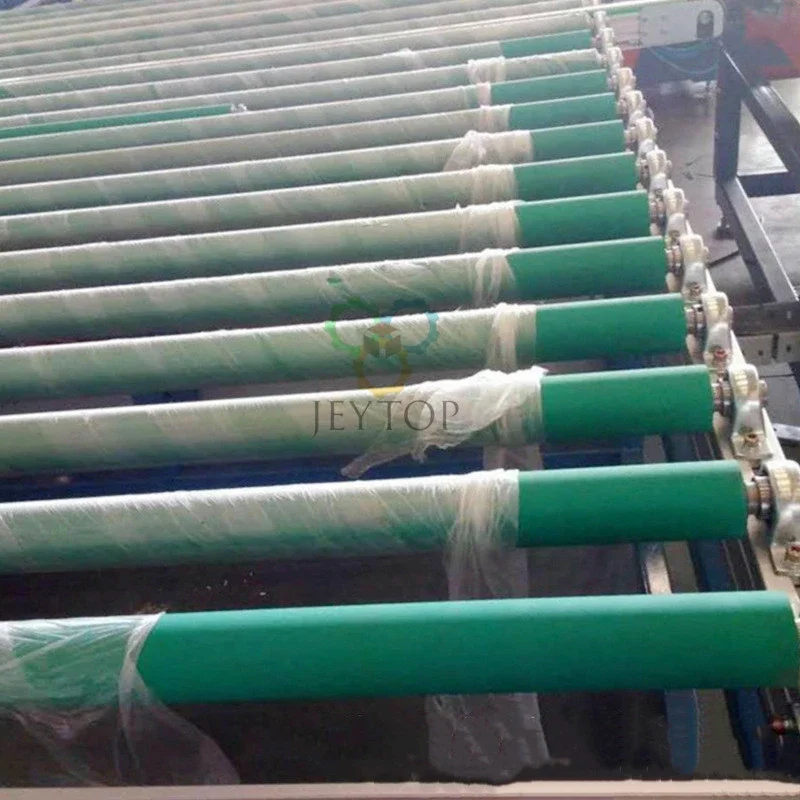
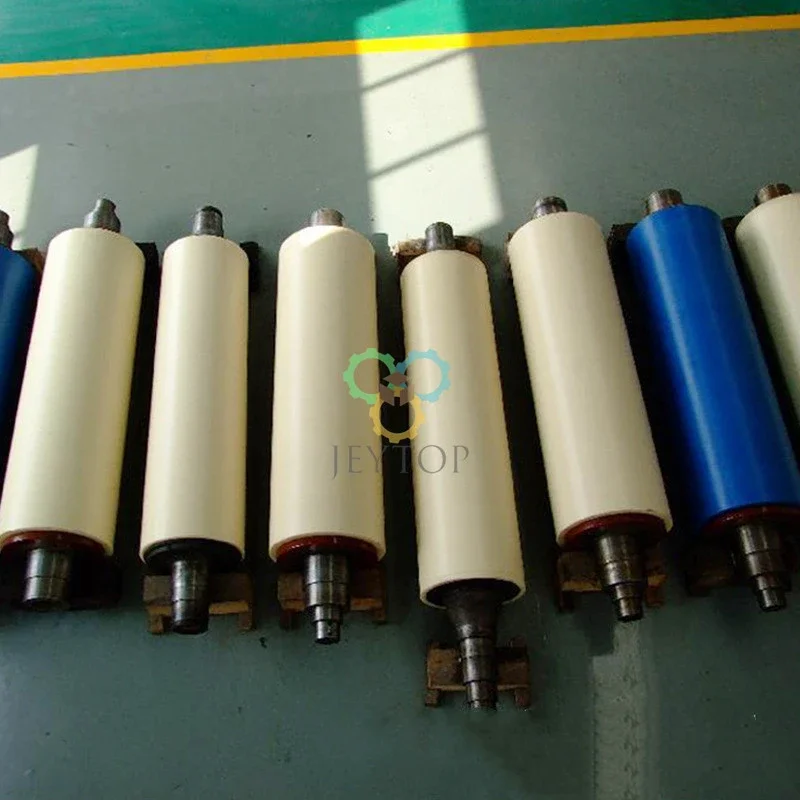
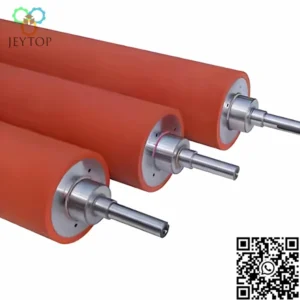
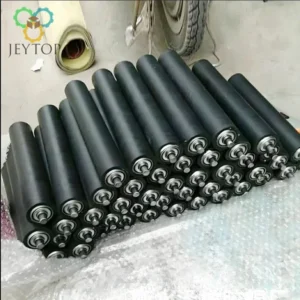
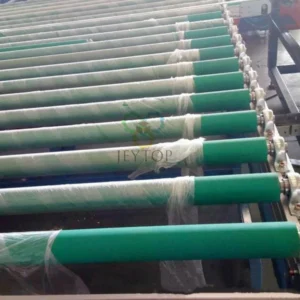
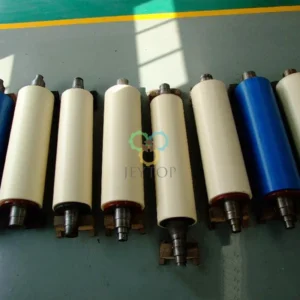
The rubber roller is an important replacement component used in printing, laminating, coating, and corrugated machinery. It consists of a precision-machined steel shaft covered with rubber materials such as NBR (nitrile rubber) or PU (polyurethane) to provide suitable elasticity, surface performance, and resistance for different working conditions.
Rubber rollers are customized according to application requirements, including rubber material, hardness (Shore A), roller diameter, length, and surface finish. They are widely used in flexographic printing machines, carton converting equipment, and other industrial processing systems.
Key Features
- High Elasticity & Resilience: Ensures stable pressure and uniform contact during operation.
- Wear Resistance: Provides long service life even under continuous high-speed use.
- Chemical Resistance: Suitable for inks, adhesives, solvents, and coatings.
- Smooth Surface Finish: Provides excellent print quality and coating uniformity.
- Custom Options: Rubber hardness (Shore A), roller diameter, length, and surface treatments are available.
Technical Parameters
| Parameter | Specification |
|---|---|
| Shaft Material | Steel or stainless steel |
| Rubber Material | NBR, PU, etc |
| Hardness Range | 20–100 Shore A |
| Roller Diameter | 50–500 mm (custom sizes available) |
| Roller Length | Up to 4000 mm (depending on application) |
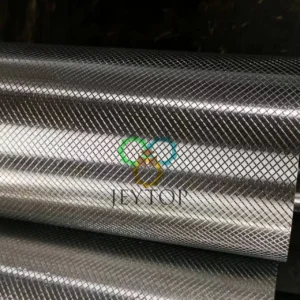
| Surface Finish | Smooth, grooved, or customized patterns |
| Temperature Resistance | -20°C to +180°C (depending on rubber type) |
Compatible Machines
Suitable for:
- Flexo Printing Machines
- Flexo Printer Slotter Die Cutters
- Corrugated Board Printing Machines
- Laminating Machines
- Coating Equipment
- Carton Converting Machines
Compatible with rubber roller applications in:
- Ink transfer systems
- Glue application units
- Coating sections
- Laminating sections
- Pressure and conveying mechanism
Applications
The rubber roller is used for:
- Replacing worn rollers in printing and carton converting equipment
- Ink transfer and coating applications in flexographic printing systems
- Glue spreading and laminating processes
- Pressure and contact applications requiring elastic roller surfaces
- Customized industrial roller applications based on equipment requirements
FAQ
What is the function of a rubber roller in printing and packaging equipment?
A rubber roller provides controlled contact, pressure, or material transfer during printing, coating, laminating, and converting processes. The suitable rubber material and hardness depend on the specific application requirements.
What materials are commonly used for rubber roller coverings?
The most commonly used rubber materials are NBR (nitrile rubber) and PU (polyurethane). NBR provides good resistance to oils, inks, and chemicals, while PU offers high wear resistance and mechanical strength for demanding applications.
Other materials such as EPDM, silicone, and natural rubber are also available according to temperature, chemical, and working environment requirements.
Can rubber rollers be customized?
Yes. Rubber rollers can be customized according to roller diameter, length, shaft design, rubber material, hardness (Shore A), and surface finish. Special surface patterns such as grooves can also be manufactured according to application needs.
How should a rubber roller be maintained?
Regular cleaning is recommended to remove ink, adhesive, or coating residue from the roller surface. Avoid using unsuitable solvents or operating conditions beyond the rubber material’s temperature and chemical resistance range.
Which machines use rubber rollers?
Rubber rollers are commonly used in flexographic printing machines, carton converting equipment, laminating machines, coating systems, and other machinery requiring elastic roller contact or material transfer.
How do I select the correct rubber roller?
The correct rubber roller depends on the machine type, application purpose, material being processed, working temperature, chemical exposure, roller size, and required rubber hardness.