Introduction
One of the questions I hear most often from new box manufacturers and packaging buyers is:
“Which corrugated flute types should I choose for my boxes?”
At first glance, corrugated board may seem simple. It is just paper formed into waves and bonded between liners. However, the flute profile has a significant impact on box performance, printing quality, stacking strength, cushioning protection, and even production efficiency.
Over the years, I have seen customers select the wrong flute type and end up with boxes that collapse during storage, fail during transportation, or cost more than necessary.
Understanding the differences between A, B, C, E, F, G, N, and other flute profiles can help you choose the right packaging structure for your products and avoid costly mistakes.
In this guide, we will look at the most common flute types, their thickness, strengths, applications, and how they are produced in a modern corrugated box manufacturing plant.
What Is a Corrugated Flute?
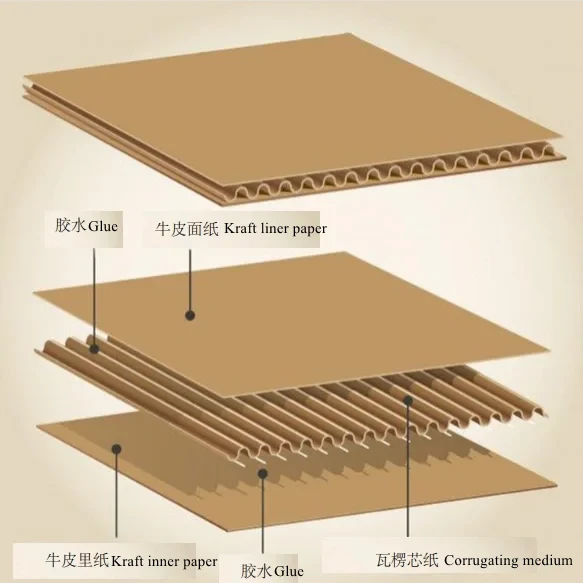
A corrugated flute is the wave-shaped paper medium that is bonded between linerboards.
Although it looks simple, the flute is actually the structural backbone of corrugated packaging.
The flute determines:
- Board thickness
- Cushioning performance
- Compression strength
- Stacking performance
- Printing quality
- Material consumption
As a general rule:
Higher flutes provide better cushioning.
Lower and denser flutes provide better printing surfaces and often better long-term stacking performance.
This is why different products require different flute profiles.
Corrugated Flute Types Overview
The following table shows the most common flute profiles used in the packaging industry.
| Flute Type | Approx. Thickness | Typical Characteristics | Common Applications |
|---|---|---|---|
| A Flute | 4.5–5.0 mm | Maximum cushioning | Fragile products, furniture, export cartons |
| C Flute | 3.4–3.9 mm | Balanced strength and cushioning | Shipping cartons, logistics boxes |
| B Flute | 2.4–2.9 mm | Good stacking and printing | E-commerce boxes, beverage cartons |
| G Flute | 1.8–2.2 mm | Between B and E flute | Export packaging, appliance cartons |
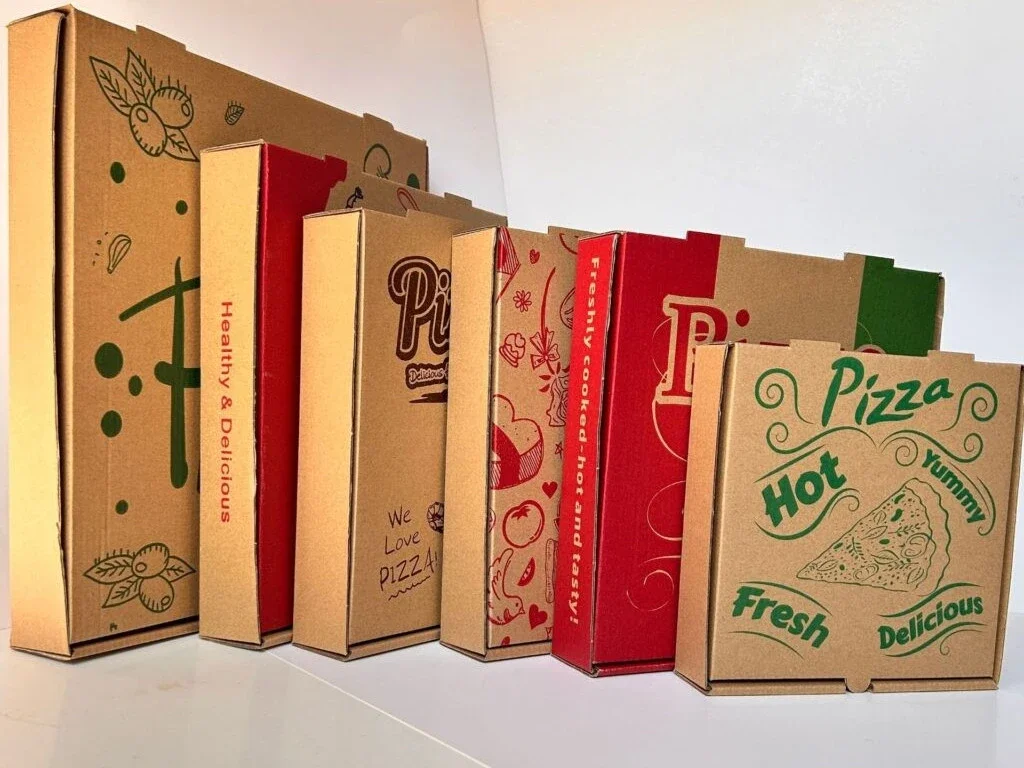
| E Flute | 1.1–1.4 mm | Excellent printability | Pizza boxes, electronics packaging |
| F Flute | 0.6–0.9 mm | Premium printing surface | Cosmetic and gift packaging |
| N Flute | 0.4–0.5 mm | Ultra-micro flute | Luxury packaging |
| O Flute* | 0.25–0.35 mm | Specialty ultra-thin flute | High-end presentation packaging |
*O flute is not widely used worldwide and is mainly found in specialized packaging applications.
How Flute Height Affects Packaging Performance
A common misunderstanding is that thicker corrugated board always means stronger boxes.
In reality, performance depends on what the box needs to do.
For example:
- A television package needs cushioning.
- A warehouse carton needs stacking strength.
- A cosmetic box needs print quality.
These requirements often point to different flute profiles.
Higher Flutes = Better Cushioning
A flute and C flute contain larger air spaces.
These air pockets absorb impact during transportation and help protect fragile products.
This is why furniture, ceramics, and appliances often use A flute or AC flute structures.
Lower Flutes = Better Surface Stability
B flute, E flute, and F flute have smaller and denser flute structures.
They provide a flatter printing surface and resist deformation during long-term stacking.
This makes them ideal for retail packaging and high-quality printing.
A Flute: Maximum Cushioning Protection
Thickness
4.5–5.0 mm
Typical Paper Combination
- Medium paper: 140–180 gsm
- Linerboard: 175–300 gsm
Advantages
- Excellent shock absorption
- Large air cushion
- Good protection against impact
Common Applications
- Furniture packaging
- Glass products
- Ceramics
- Industrial equipment
- Heavy export cartons
In my experience, A flute is chosen when protection is more important than appearance.
However, because the flute is relatively high, the board surface is less smooth, making high-quality printing difficult.
C Flute: The Industry Standard
Thickness
3.4–3.9 mm
Typical Paper Combination
- Medium paper: 120–150 gsm
- Linerboard: 145–250 gsm
C flute is often considered the most versatile flute profile.
It offers a good balance between cushioning, stacking strength, and cost.
Common Applications
- Logistics cartons
- Food packaging
- Fresh produce boxes
- Consumer goods packaging
Many corrugated box factories produce C flute every day because it works well for a wide range of products.
B Flute: Strong Stacking Performance
Thickness
2.4–2.9 mm
Typical Paper Combination
- Medium paper: 90–130 gsm
- Linerboard: 120–200 gsm
Advantages
- Good puncture resistance
- Flat printing surface
- Excellent long-term stacking performance
Common Applications
- E-commerce cartons
- Beverage packaging
- Retail-ready boxes
- Die-cut packaging
A useful industry rule is:
A flute handles impact better.
B flute handles long-term stacking better.
That is why many warehouse cartons use B flute or BC flute structures.
Understanding Micro Flutes: G, E, F, N and O
As packaging design evolved, the demand for thinner and more attractive packaging increased.
This led to the development of micro flutes.
G Flute
Thickness: 1.8–2.2 mm
Often considered a bridge between B flute and E flute.
Used for:
- Small appliance cartons
- Automotive parts packaging
- Export packaging
E Flute
Thickness: 1.1–1.4 mm
One of the most popular micro flutes worldwide.
Used for:
- Pizza boxes
- Electronics packaging
- Gift boxes
- Retail packaging
Its smooth surface makes it highly suitable for flexographic printing.
F Flute
Thickness: 0.6–0.9 mm
Offers a premium appearance while maintaining structural strength.
Common in:
- Cosmetics packaging
- Luxury packaging
- Folding cartons
N Flute
Thickness: 0.4–0.5 mm
Designed for premium packaging where appearance is critical.
O Flute
Thickness: 0.25–0.35 mm
A specialized ultra-thin flute used in certain luxury packaging applications.
Common Double-Wall and Triple-Wall Combinations
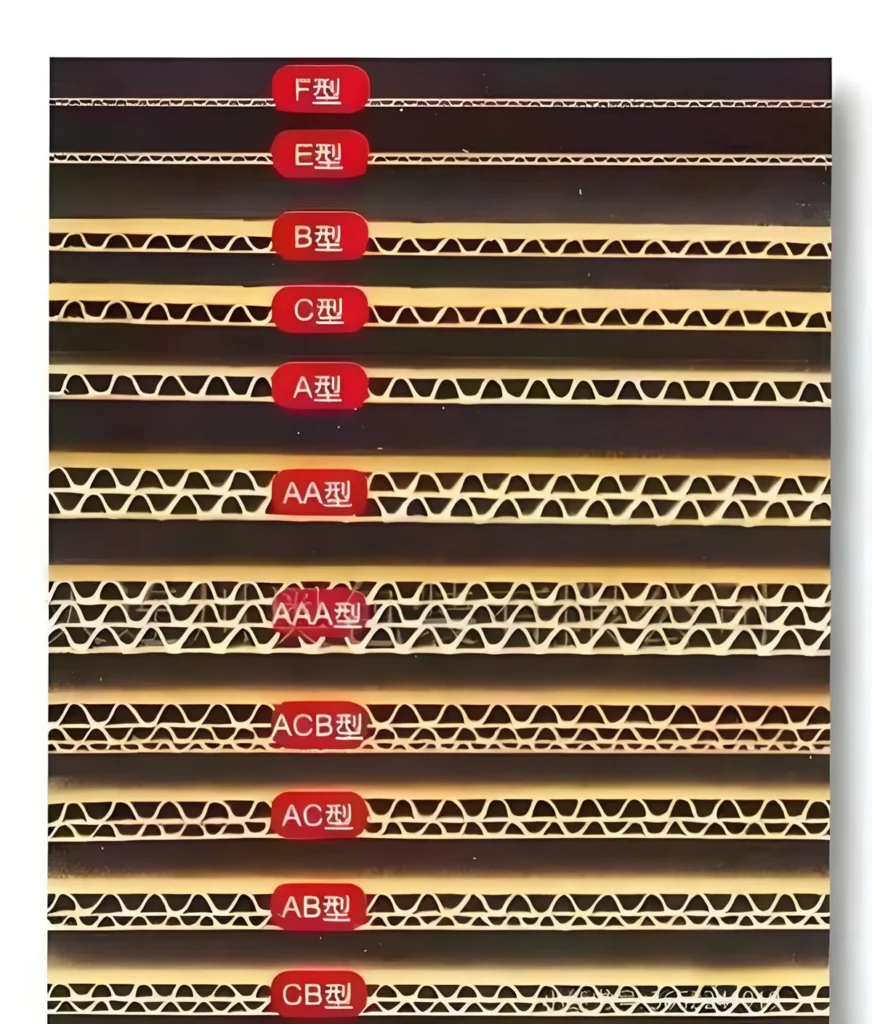
Single-wall board is not always enough.
For heavier products, multiple flute combinations are often used.
BC Flute (C + B)
The most widely used double-wall structure.
Advantages:
- Excellent stacking strength
- Good cushioning
- Cost-effective
Applications:
- Food packaging
- Industrial cartons
- Warehouse storage
BE Flute (B + E)
Combines structural strength with excellent printing quality.
Applications:
- E-commerce packaging
- Color printed cartons
- Electronics packaging
AC Flute (A + C)
Provides greater thickness and cushioning.
Applications:
- Furniture
- Heavy machinery
- Export packaging
ABC Triple-Wall
Used for:
- Industrial equipment
- Heavy-duty export packaging
- Long-distance transportation
How Corrugated Flute Types Affect Box Compression Strength
When customers ask which flute is strongest, the answer depends on how the box will be used.
Impact Resistance
For shock absorption and product protection:
A Flute > C Flute > B Flute
Long-Term Stacking
For warehouse storage and pallet stacking:
B Flute often performs better than A flute because its flute density is higher and deformation is lower over time.
Why Does This Happen?
Three factors are involved:
1. Flute Height
Higher flutes absorb impact better.
2. Flute Density
More flute tips create more support points.
3. Creep Resistance
Denser flute structures deform less during long-term storage.
This is why BC flute has become one of the most popular structures in the corrugated packaging industry.
How Flute Type Affects Printing Quality
Printing quality is another area where flute selection matters.
The basic rule is simple:
The flatter the board surface, the better the printing result.
A Flute
Suitable for:
- Large text
- Simple graphics
Not ideal for:
- Fine details
- High-resolution graphics
C Flute
Suitable for ordinary shipping cartons and simple printing.
B Flute
Provides a significantly smoother surface and supports better print quality.
E and F Flute
Ideal for:
- High-quality flexographic printing
- Detailed graphics
- Retail packaging
N and O Flute
Often used for premium packaging where appearance is a key selling point.
In these applications, the board surface can approach the appearance of folding carton board.
Which Flute Is Best for Different Box Products?
Pizza Boxes

Recommended:
- E Flute
- B Flute
Fruit and Vegetable Boxes
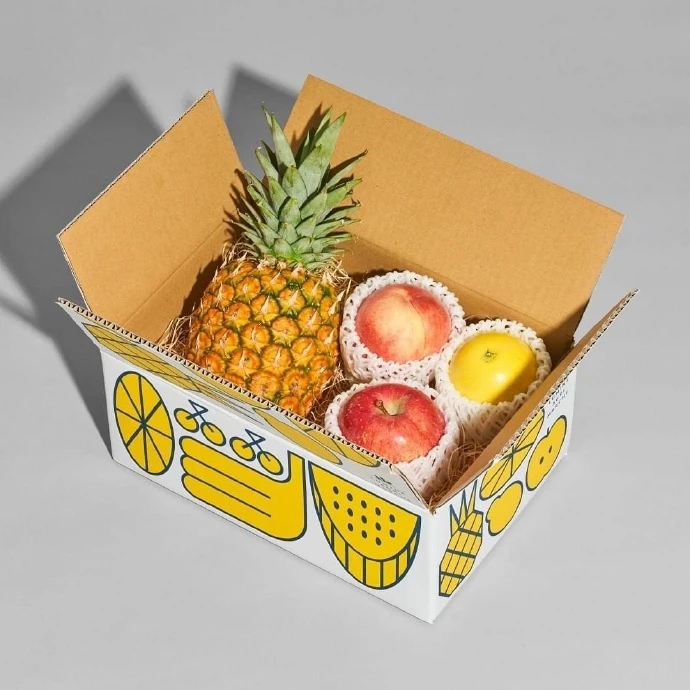
Recommended:
- C Flute
- BC Flute
E-Commerce Shipping Boxes
Recommended:
- B Flute
- BC Flute
Electronics Packaging
Recommended:
- E Flute
- BE Flute
Furniture and Heavy Products
Recommended:
- AC Flute
- BC Flute
- ABC Triple-Wall
How Different Flutes Are Produced
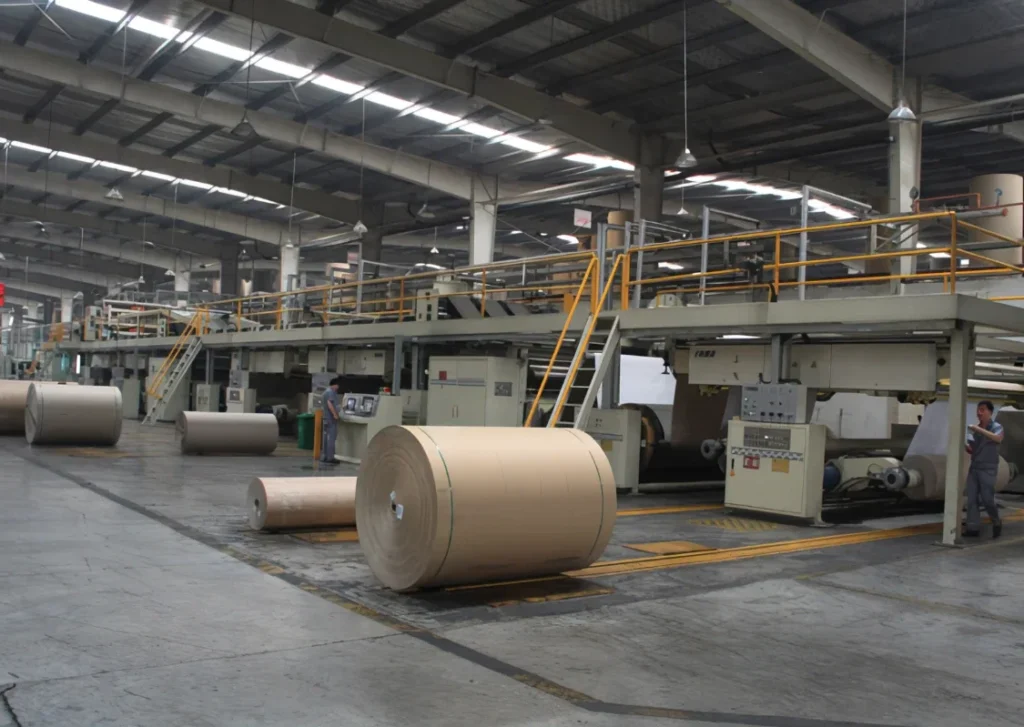
The flute profile is formed on a corrugator production line.
Different corrugating rolls produce different flute shapes and heights.
Once the corrugated board is produced, it typically moves through several converting processes.
Flexo Printing Slotting Machine
Used for printing, slotting, and creasing.
Rotary Die Cutting Machine
Used to produce custom carton shapes, pizza boxes, and die-cut packaging.
Folder Gluer Machine
Used for folding and gluing cartons.
Stitching Machine
Often selected for agricultural boxes and heavy-duty export cartons.
Automatic Bundling and Stacking Line
Used to automate carton collection, strapping, and pallet preparation.
Together, these machines form a complete corrugated box manufacturing process.
Final Thoughts
There is no single flute profile that is best for every application.
The right choice depends on what matters most:
- Cushioning and impact protection
- Long-term stacking strength
- Printing quality
- Packaging appearance
- Production cost
For most standard shipping cartons, C flute and BC flute remain the industry’s workhorses.
For premium printed packaging, E flute and BE flute are often preferred.
For heavy-duty industrial applications, AC and ABC structures provide the protection required.
Understanding these differences can help packaging manufacturers make better decisions, reduce costs, and produce packaging that performs exactly as intended.