Estimated Reading Time: 6 Minutes
In many corrugated packaging plants, when print quality suddenly becomes unstable, one sentence is heard more often than any other:
“It’s probably an ink problem.”
Then a familiar sequence begins.
Ink batches are replaced. Suppliers are called in for on-site adjustments. Different brands are tested. Viscosity and additives are repeatedly modified.
Hours — sometimes days — pass.
Downtime increases.
Waste piles up.
And yet, the problem remains.
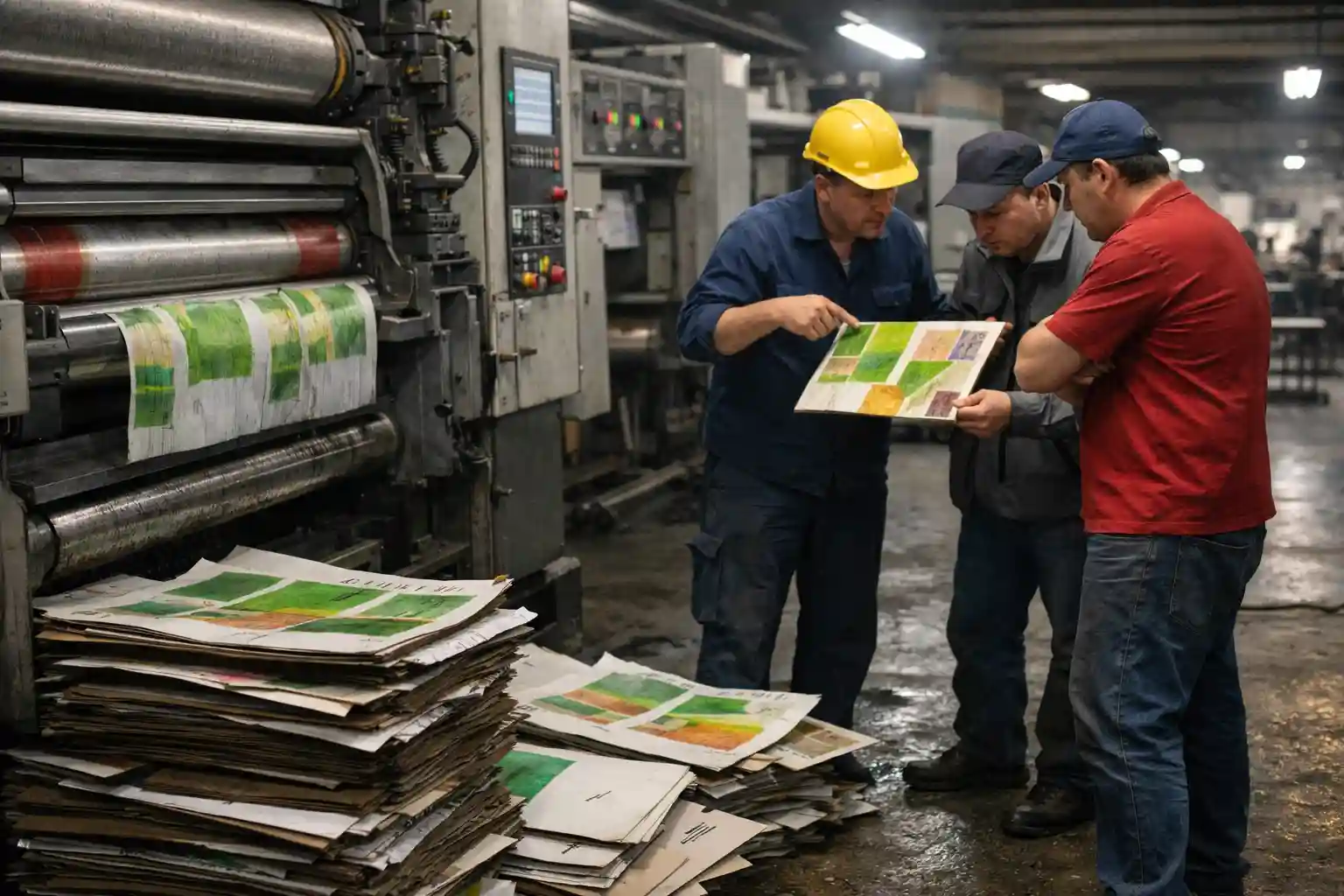
Across numerous on-site troubleshooting projects, one recurring pattern appears repeatedly:
Many printing failures initially blamed on ink ultimately originate from the printing system itself.
Ink becomes the primary suspect not because it fails most often.
But because:
It is the easiest variable on the entire production line to change.
Replacing a drum of ink takes minutes.
Checking mechanical pressure requires shutdown and disassembly.
Verifying servo synchronization requires data.
Evaluating substrate stability may require waiting for another material batch.
Under production pressure, teams naturally choose the fastest action available.
“Try changing the ink” gradually becomes a habit.
The real risk is this:
When the wrong variable is repeatedly adjusted, the real problem becomes hidden.
A single misdiagnosis rarely creates immediate disaster.
Repeated misdiagnosis does.
Why Ink Becomes the “Scapegoat”
A modern printing machine is never a single piece of equipment.
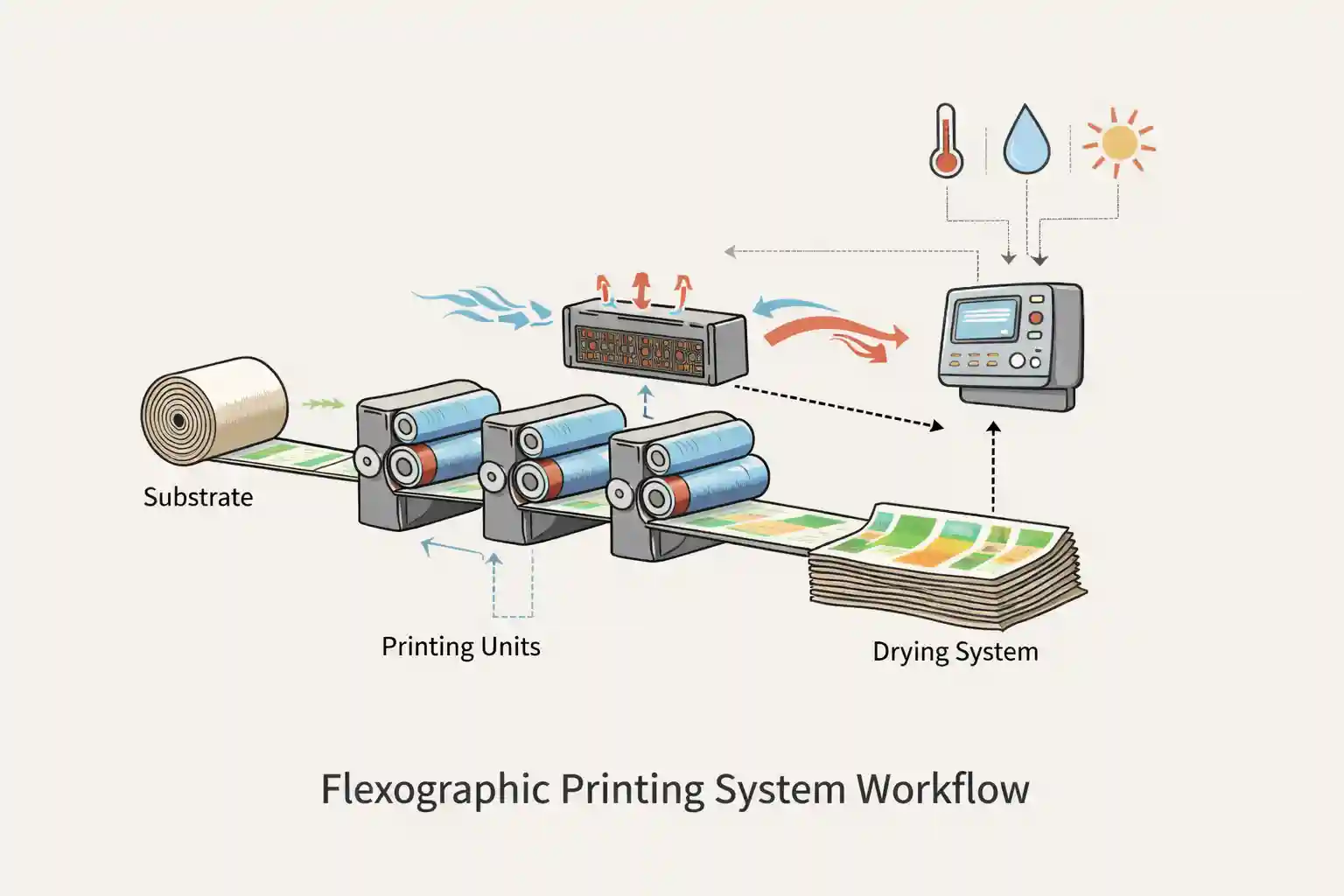
It is a dynamic system influenced simultaneously by:
- Mechanical structure,
- Control systems,
- Substrate behavior,
- Drying performance,
- Environmental conditions,
- Operator habits.
A small deviation anywhere in this chain can produce similar visible defects.
Ink simply happens to be the most visible component.
When color shifts, adhesion weakens, or drying slows, suspicion naturally falls on ink first.
However, the true cost is rarely the ink itself.
It is the chain reaction that follows:
- Extended downtime,
- Board waste and labor loss,
- Supplier responsibility disputes,
- Delayed discovery of system risks.
The most expensive mistake is rarely material cost.
It is choosing the wrong direction of diagnosis.
Quick Misdiagnosis Reference
Before entering deeper analysis, a simple comparison helps identify common misunderstandings.
| Symptom | First Suspicion | More Likely Cause |
|---|---|---|
| Mottling or missing dots | Ink viscosity | Contact pressure or vibration |
| Poor adhesion | Ink formulation | Substrate surface energy |
| Set-off or blocking | Slow drying ink | Airflow or speed mismatch |
| Color instability | Ink consistency | Environment or circulation system |
In many situations, nothing has changed inside the ink.
The system itself has quietly changed.
Four System Root Causes Commonly Mistaken for Ink Problems
When printing quality suddenly changes and instinct suggests ink is responsible, start with these four directions.
Across multiple regions and production environments, these causes appear repeatedly.
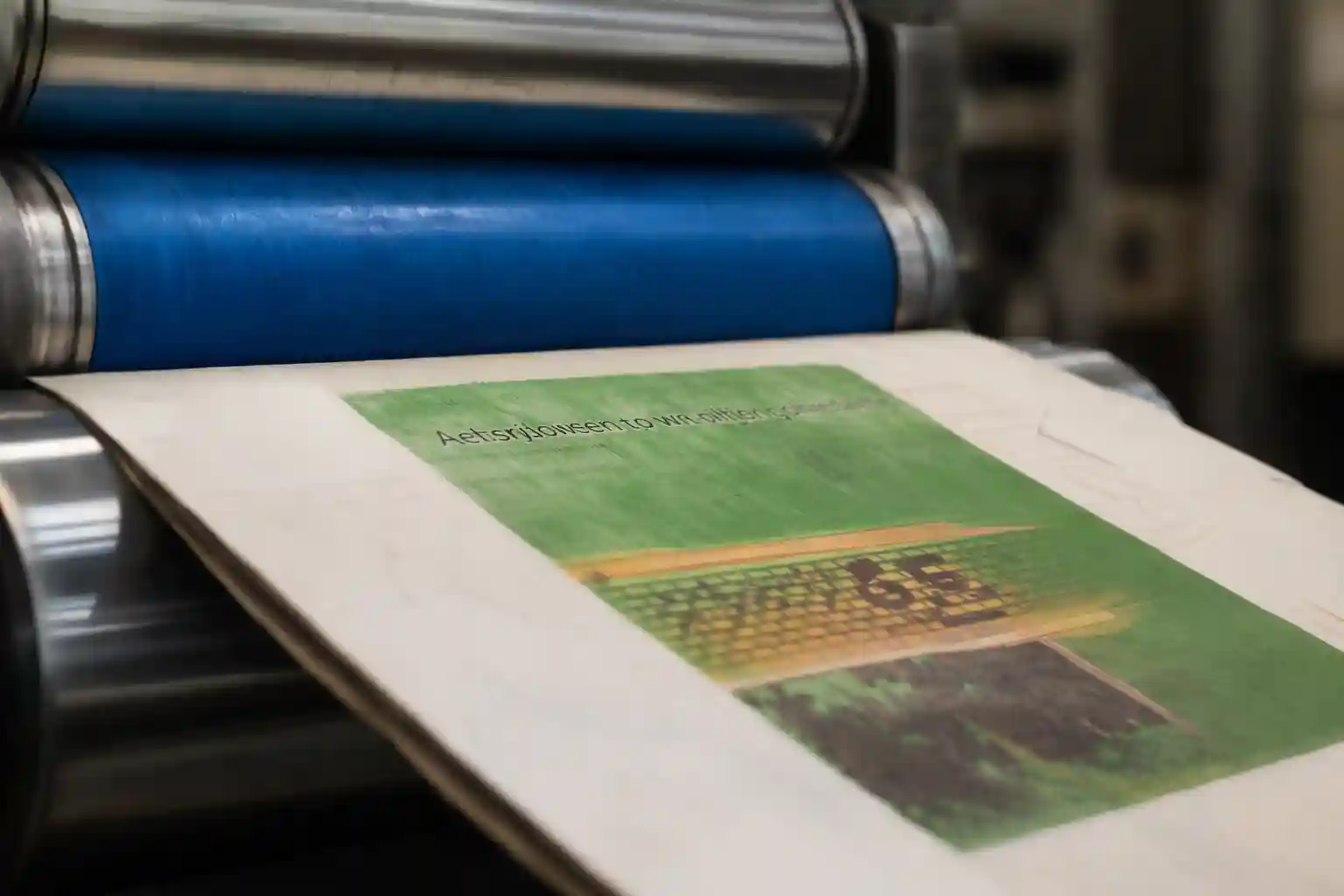
1. Printing Pressure and Contact Stability
Common Symptoms
Mottling, missing dots, or localized color fading.
These often appear to be poor ink transfer.
Why It Is Misdiagnosed
The visual result closely resembles high viscosity or poor ink flow.
More Likely Cause
Uneven pressure between plate and impression cylinders, worn cushioning materials, or micro-vibration at higher speeds.
At high production speeds, even small mechanical deviations become amplified.
Increasing ink volume rarely solves the issue.
It often creates plate filling or smearing.
Quick Verification
Check whether defects show directionality.
Examples include:
- Persistent mottling on one side of a color unit.
- Defects always appearing in the same location.
Consistency usually indicates mechanical contact instability.
Not ink.
If defects appear randomly alongside viscosity changes, ink should then be investigated first.
2. Substrate Absorption and Surface Energy Differences
Common Symptoms
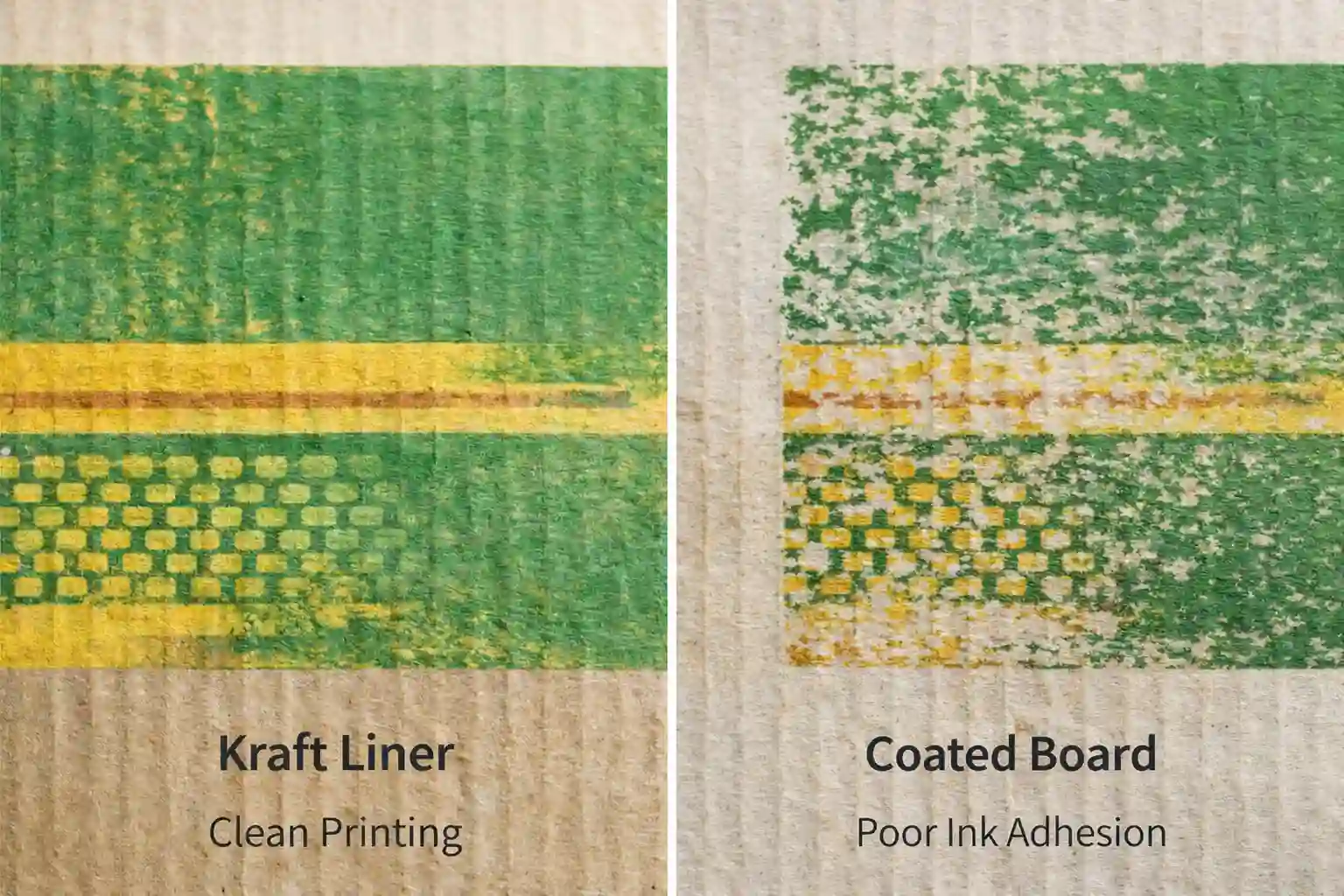
Color rub-off, weak adhesion, or dot loss on coated paper or PE film.
Why It Is Misdiagnosed
Adhesion failure is almost always interpreted as insufficient ink bonding.
More Likely Cause
Substrate surface energy lower than ink tension.
Moisture variation in coatings.
Water fluctuations introduced by upstream processes.
This is not chemistry.
It is interface physics.
Quick Verification
Test the same ink batch on different substrates.
If kraft liner performs normally while coated material repeatedly fails, material compatibility is the likely cause.
3. Drying System and Production Speed Matching
Common Symptoms
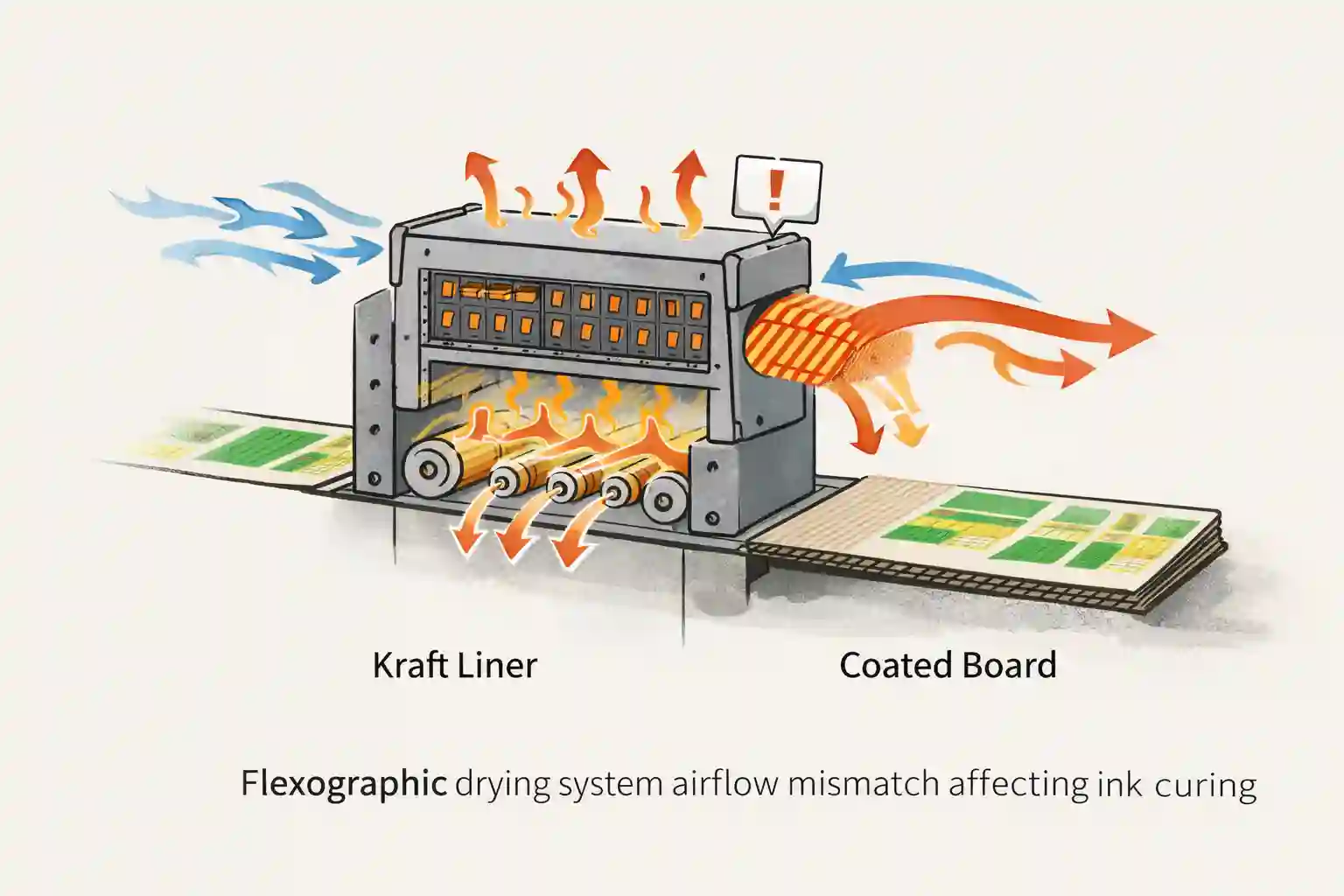
Set-off, blocking, or rub resistance failure.
Why It Is Misdiagnosed
“Not drying” is almost automatically blamed on slow-drying ink.
More Likely Cause
Insufficient drying power.
Reduced exhaust efficiency.
Hot air or infrared systems no longer synchronized with production speed.
When speed increases, the drying window shrinks.
The ink did not change.
The system rhythm did.
Quick Verification
Temporarily reduce production speed.
If defects improve immediately, evaluate drying capacity limits first.
4. Hidden Environmental and Operational Variables
Common Symptoms
Stable printing in the morning but unstable in the afternoon.
Rainy days behave differently from dry weather.
Unexpected color fluctuations.
Why It Is Misdiagnosed
Environmental variables are invisible.
Ink is not.
More Likely Cause
Temperature and humidity affecting evaporation rate.
pH drift.
Shear heating inside circulation systems.
Operator shift changes causing small parameter deviations.
Quick Verification
Compare production data across time periods or weather conditions.
If patterns follow timing rather than material batches, environmental influence should be examined first.
The Five-Minute Diagnostic Model
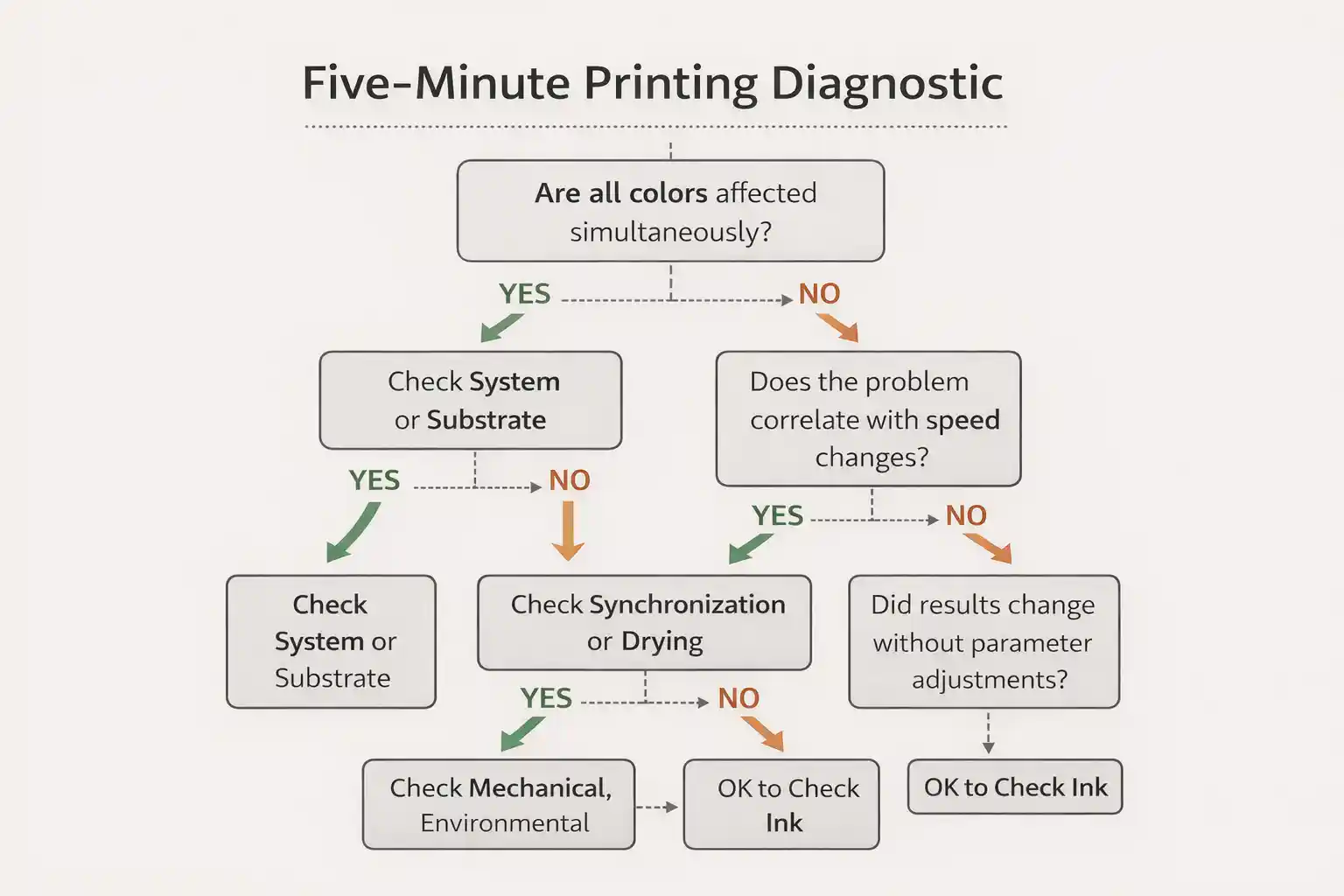
In many on-site troubleshooting situations, a simple method helps teams avoid costly misjudgment.
Think of it as a rapid three-question test.
When quality problems appear, ask:
Question One: Are all colors affected simultaneously?
If yes, prioritize system or substrate investigation.
Multiple ink batches failing at once is unlikely.
Question Two: Does the problem correlate with speed changes?
Stable at low speed but unstable at high speed usually indicates synchronization or drying capacity limits.
Question Three: Did results change without parameter adjustment?
If yes, system conditions have already shifted.
Possible causes include:
- Bearing wear,
- Thermal deformation,
- Board condition variation.
This method cannot replace professional diagnosis.
But it often helps teams decide within minutes:
Is ink really worth suspecting?
A Common Field Experience
A packaging plant experienced severe color rub-off while printing coated board.
Three ink batches were replaced within two days.
Suppliers conducted repeated adjustments.
Downtime exceeded ten hours.
The problem continued.
Testing showed identical ink performed perfectly on kraft liner.
Defects appeared only in a specific print area.
The final cause:
Airflow blockage inside one section of the drying unit prevented sufficient curing.
The ink was never the issue.
The system had lost synchronization.
Correct Diagnosis Matters More Than Material Replacement
The true cost has never been ink itself.
It is the wrong troubleshooting sequence.
Every blind attempt consumes:
- Time,
- Materials,
- Team confidence,
- Customer delivery windows.
Across long-term cross-regional projects, one principle continues to prove reliable:
Diagnose first. Act second.
When teams understand the interaction between system variables, ink stops being a scapegoat.
It returns to what it should be:
A controllable, measurable, reliable component within the printing system.
The next time print quality suddenly changes,
perhaps what needs replacement is not the ink.
But the order of judgment.